
A Runner's Guide to Navigating the Empty Quarter: Tips and Strategies


Understanding the Empty Quarter
The Empty Quarter, or Rub' al Khali, is the largest continuous sand desert in the world. Spanning over 650,000 square kilometers, it presents a unique challenge for runners looking for an extraordinary experience. The vastness and harsh conditions require careful planning and preparation to ensure a safe and successful run.
Preparing for the Extreme Environment
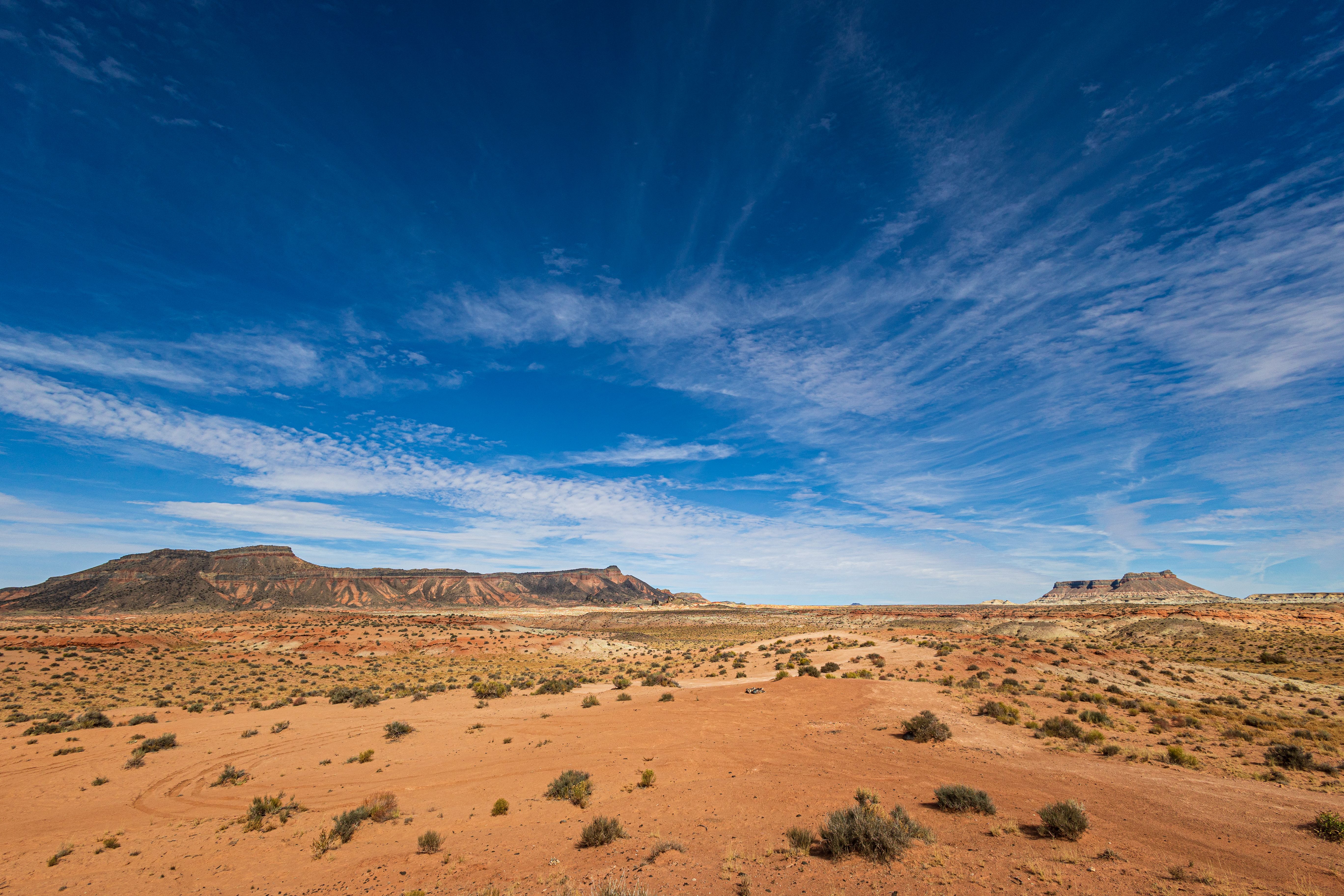
Preparation is key when tackling the Empty Quarter. The desert's extreme heat and arid conditions can be overwhelming for even the most seasoned runners. It's crucial to acclimatize to the heat gradually and build up endurance through consistent training. Incorporating heat training sessions can also help your body adjust to high temperatures.
Hydration is a critical factor to consider. Ensure you have a reliable hydration system in place, such as a camelback or hydration vest, to maintain fluid levels. Dehydration can occur rapidly in the desert, so having enough water on hand is essential.
Choosing the Right Gear
Selecting the appropriate gear can make or break your desert running experience. Lightweight, moisture-wicking clothing is essential to keep cool and reduce the risk of chafing. A wide-brimmed hat and sunglasses will protect you from the sun's intense rays.

Footwear Considerations
When it comes to footwear, opt for trail running shoes with good grip and support. Sand can be a significant obstacle, so consider using gaiters to prevent it from entering your shoes. This will help minimize discomfort and prevent blisters.
Don't forget to apply sunscreen frequently to exposed skin areas. The sun's reflection off the sand can increase UV exposure, making sun protection a priority.
Navigating the Terrain
The Empty Quarter's vastness can be disorienting. Using a GPS device or a reliable map and compass is crucial for navigation. Mark important waypoints and plan your route meticulously to avoid getting lost in the endless dunes.
Running Techniques for Sand
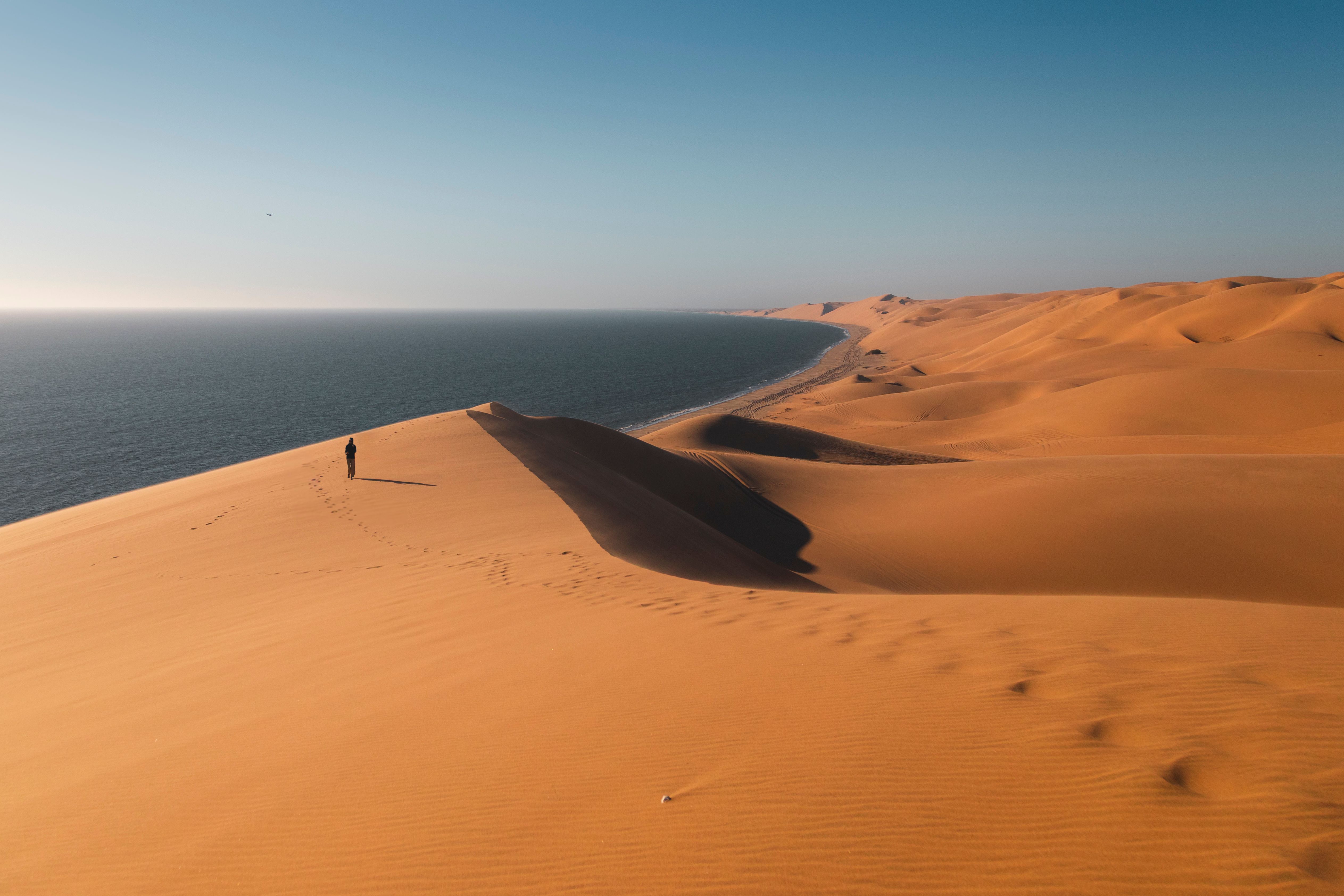
Running on sand requires a different technique than on solid ground. Shorten your stride to maintain balance and reduce energy expenditure. Running on the firmer parts of the sand, usually near the base of dunes, can make your run more efficient.
It's also wise to run during the early morning or late afternoon when temperatures are cooler, minimizing the risk of heat-related issues.
Safety and Support
Running in the Empty Quarter should never be done alone. Having a support team or running in a group can provide security and assistance if needed. Make sure to inform someone about your plans and expected return time.
Carrying a communication device, like a satellite phone, can be a lifesaver in case of emergencies, ensuring you can reach out for help when required.
Respecting the Environment
Finally, remember to respect the desert environment by leaving no trace. Carry out everything you bring in and be mindful of the fragile ecosystem. The Empty Quarter is a beautiful yet challenging landscape that demands both respect and responsibility from those who choose to explore it.