
Desert Survival Training: Essential Skills for the Rub Al Khali Race


Understanding the Rub Al Khali
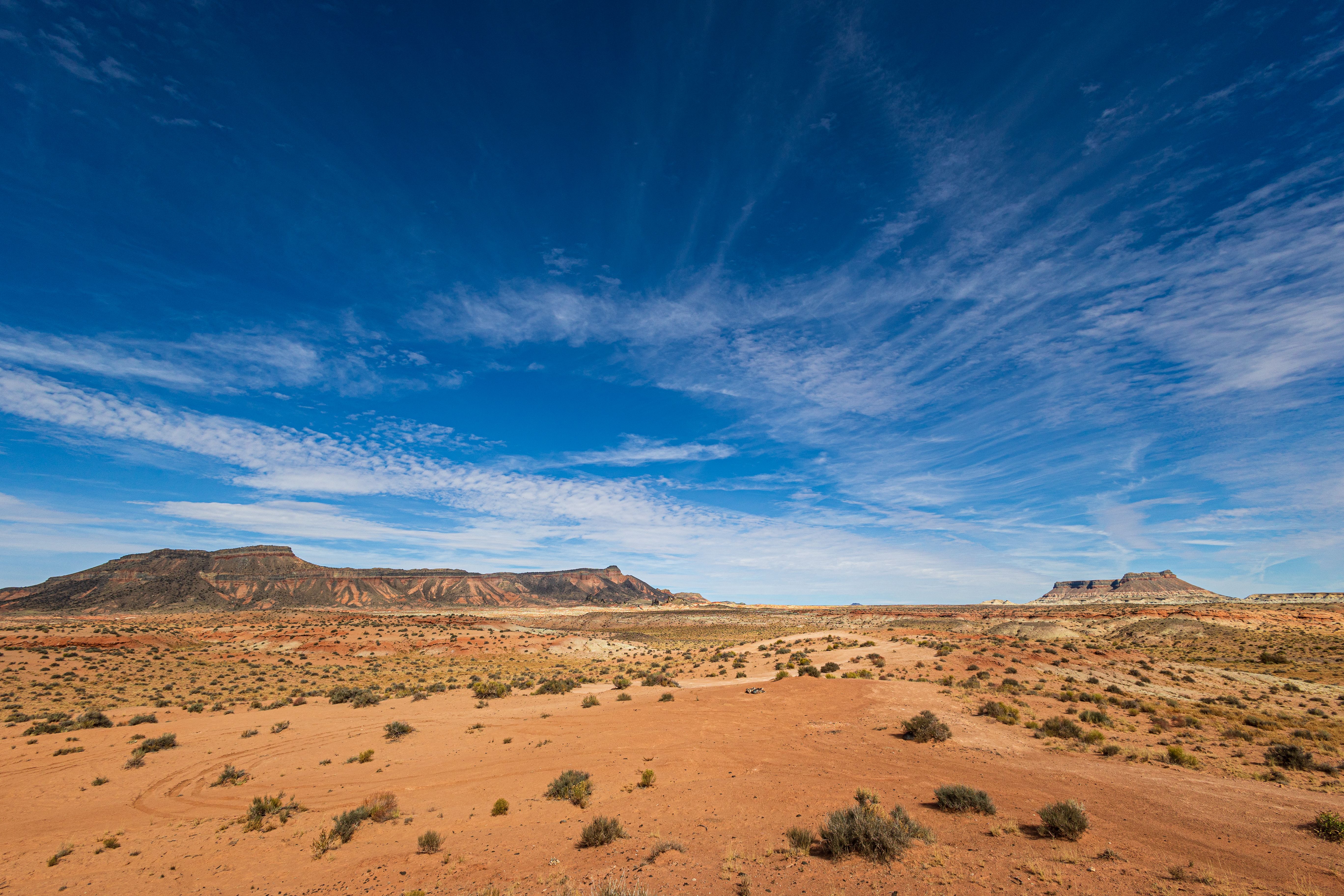
The Rub Al Khali, also known as the Empty Quarter, is the largest continuous sand desert in the world. Its vast, arid environment presents unique challenges for adventurers and race participants. Preparing for a race here requires not only physical stamina but also essential survival skills. Understanding the landscape, climate, and potential hazards is the first step in your desert survival training.
Navigation Skills
Successfully navigating the Rub Al Khali is crucial. The desert's shifting sands and lack of landmarks make traditional navigation methods less reliable. Learn to use a compass and GPS devices effectively. Understanding how to read the sun and stars can also be invaluable. Joining a navigation workshop or practicing with an expert can give you the confidence to find your way.
Using Modern Technology
GPS devices are essential tools for modern desert navigation. Ensure your device is fully charged and consider carrying a solar charger. Familiarize yourself with its functions and practice using it under different conditions to avoid confusion during the race.

Hydration and Nutrition
Staying hydrated in the Rub Al Khali is one of the most critical aspects of survival. The intense heat can quickly lead to dehydration. Carry sufficient water supplies and know the signs of dehydration. Electrolyte tablets can help maintain balance and prevent heatstroke.
Food Strategies
While hydration is vital, don't overlook nutrition. Energy-dense foods like nuts, dried fruits, and energy bars are lightweight and provide the necessary calories. Plan your meals carefully to avoid carrying excess weight while ensuring you have enough fuel for the race.

Dealing with Extreme Conditions
The desert environment is harsh, with temperatures soaring during the day and dropping at night. Wear breathable, light-colored clothing to reflect sunlight and reduce heat absorption. A wide-brimmed hat and sunglasses are essential to protect against the sun.
Night-Time Precautions
Nighttime in the desert can be surprisingly cold. Pack a lightweight sleeping bag or thermal blanket to keep warm. Be aware of potential wildlife encounters and know how to secure your camp to avoid unwanted visitors.
Emergency Preparedness
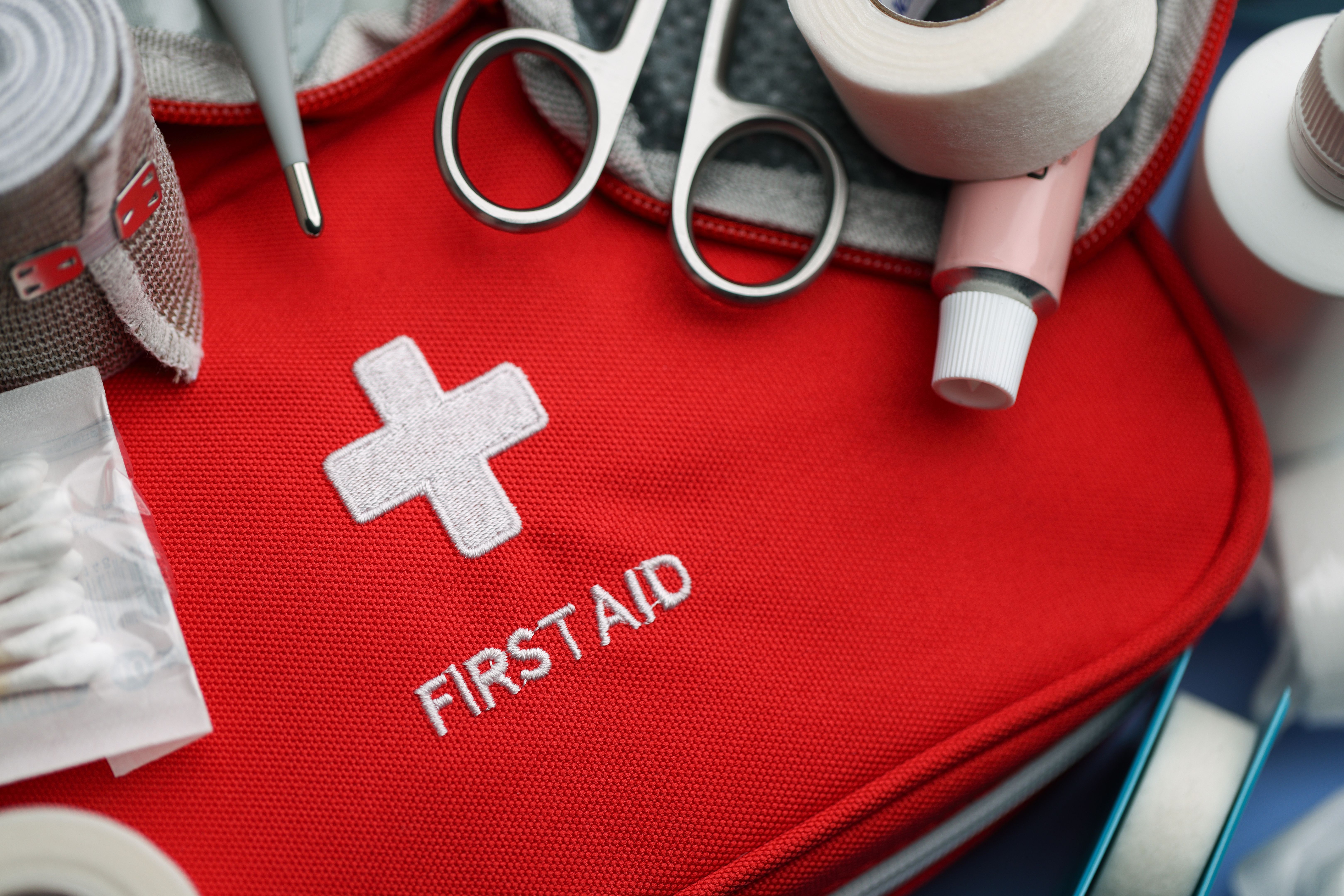
Even with the best preparation, emergencies can occur. Carry a first aid kit equipped with basics like bandages, antiseptic wipes, and pain relievers. Learn basic first aid skills, including how to treat heat exhaustion and snake bites.
Communication Strategies
Ensure you have a reliable means of communication. A satellite phone or emergency beacon can be a lifesaver if you need to call for help. Always inform someone of your race plans and expected check-in times to ensure a prompt response in case of an emergency.
Concluding Thoughts
Desert survival training is not just about learning new skills; it's about building confidence and resilience to face one of the world's most challenging environments. By preparing thoroughly, you can not only survive but thrive in the Rub Al Khali race, turning a daunting challenge into an unforgettable adventure.