
Exploring the Rub Al Khali: What Makes the Empty Quarter Unique


Introduction to the Rub Al Khali
The Rub Al Khali, also known as the Empty Quarter, is the largest continuous sand desert in the world, spanning parts of Saudi Arabia, Oman, the United Arab Emirates, and Yemen. This vast desert is a marvel of nature, offering a unique blend of beauty and desolation. Its sheer size and extreme conditions make it an intriguing destination for adventurers and researchers alike.
Despite its name, the Empty Quarter is far from empty. It teems with geological wonders and hidden life, making it a fascinating area for exploration. Understanding what makes this desert unique can deepen our appreciation for one of the planet's most formidable landscapes.
Geological Marvels
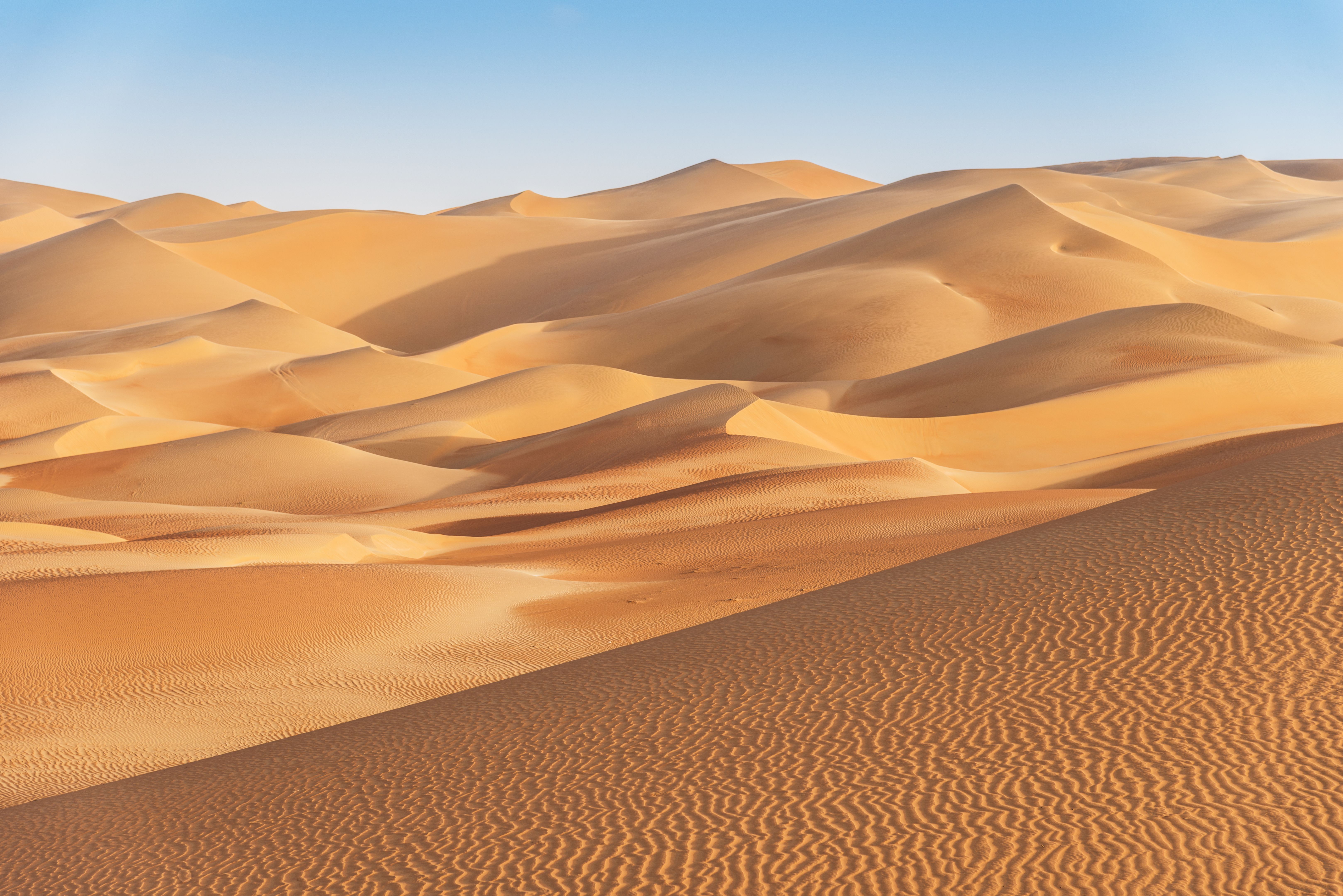
The landscape of the Rub Al Khali is characterized by vast stretches of sand dunes, some of which reach heights of up to 250 meters. These dunes are constantly reshaped by the wind, creating a dynamic environment that is both challenging and captivating. The desert's underlying geology includes salt flats and gravel plains, which add to its diverse terrain.
Geologists are particularly interested in the Rub Al Khali because it holds clues to the Earth's climatic past. The presence of ancient lakes and riverbeds suggests that this area was once much wetter, providing insights into historical climate shifts.
Unique Ecosystem
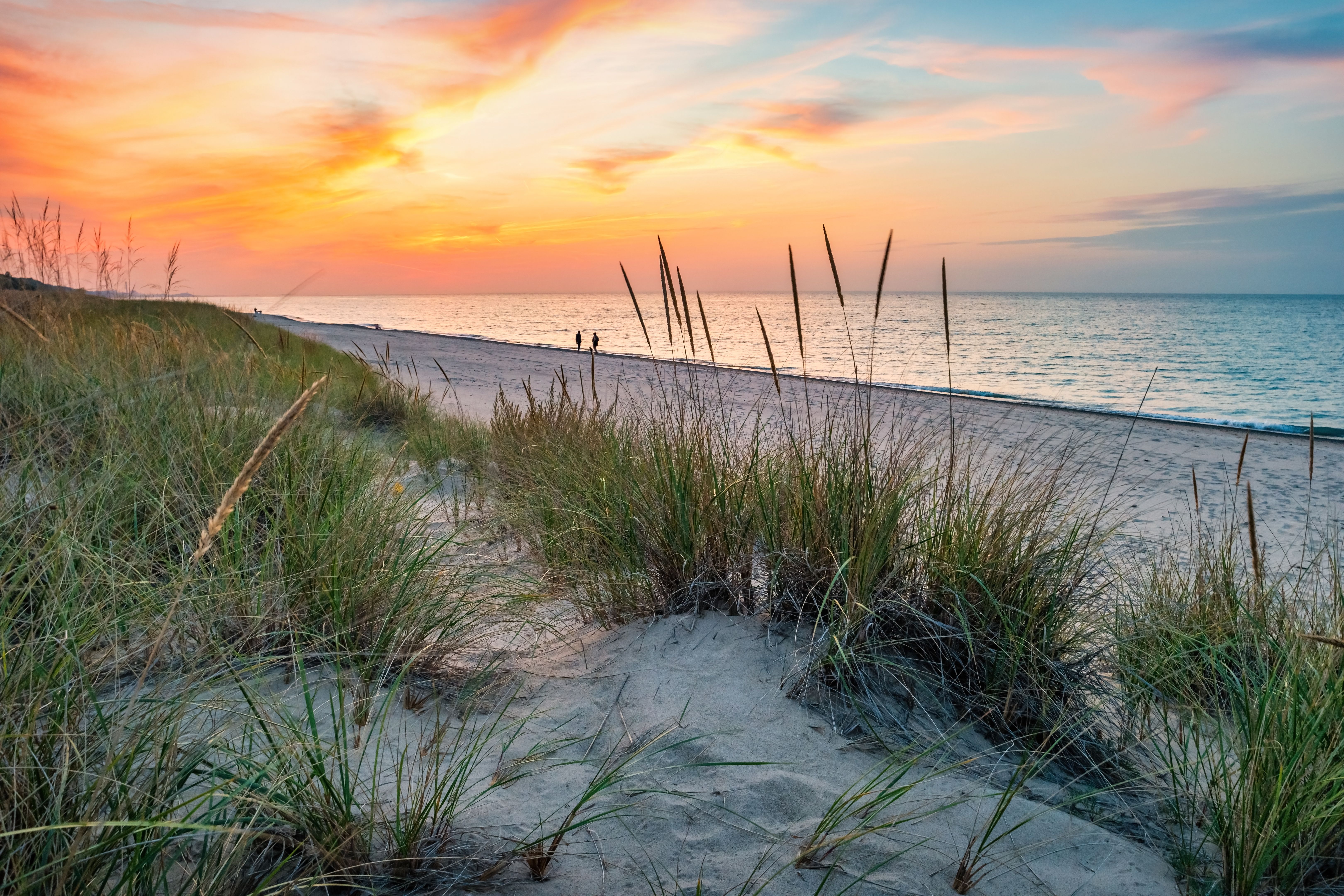
Although the Rub Al Khali is harsh and arid, it supports a surprisingly diverse ecosystem. Adapted to extreme conditions, plant species like the salt-tolerant Calligonum and various grasses manage to thrive here. These plants play a crucial role in stabilizing the sand dunes and supporting the desert's animal life.
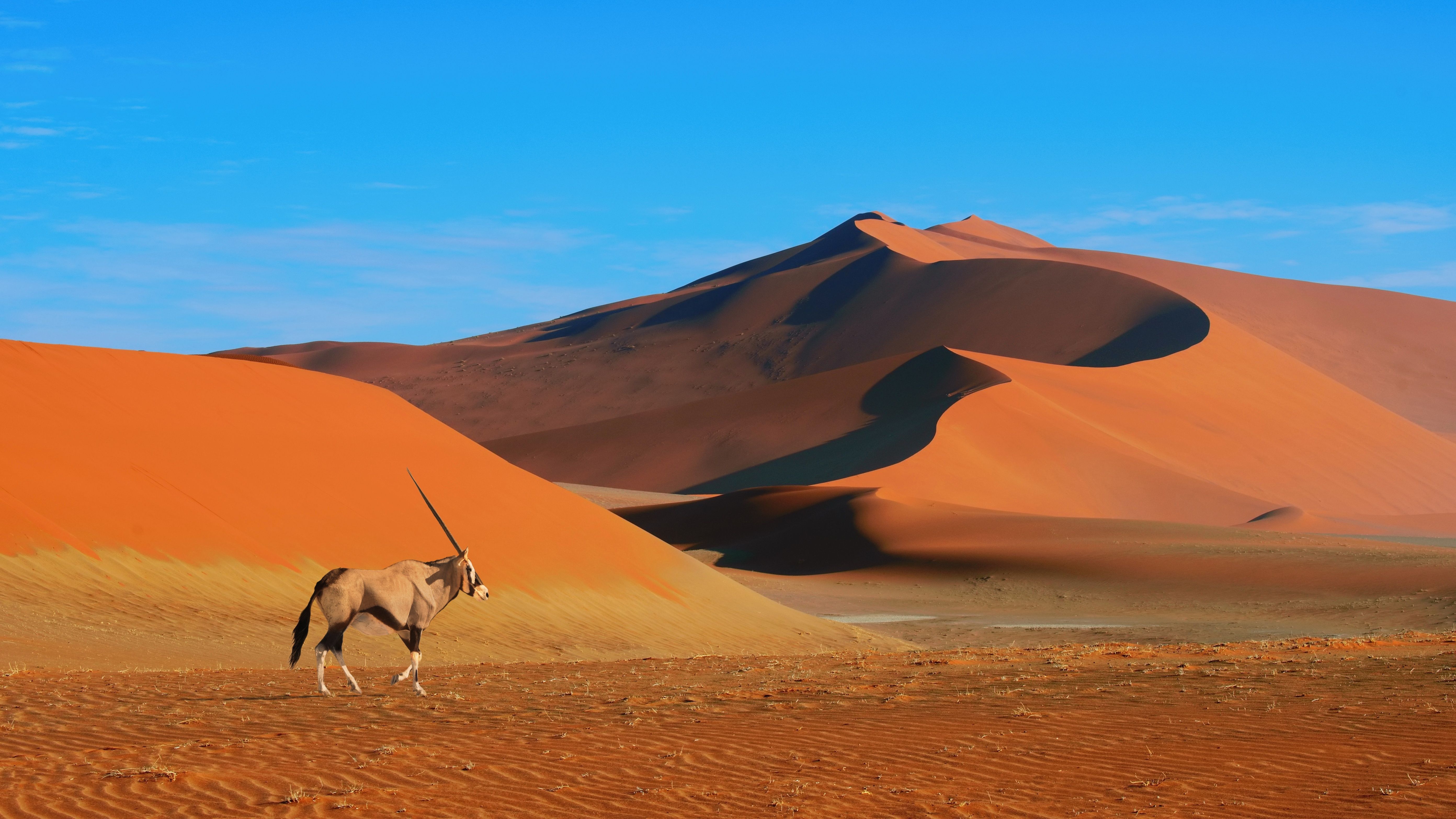
Wildlife in the Empty Quarter includes several species of reptiles, rodents, and birds. Some animals, such as the Arabian oryx, have been reintroduced to the region as part of conservation efforts. The existence of life in such an inhospitable environment highlights the resilience of nature.
Cultural Significance
The Rub Al Khali holds cultural significance for the Bedouin tribes who have historically inhabited its fringes. These communities have developed a deep understanding of the desert, using traditional knowledge to navigate and survive in this challenging environment.
The desert has also inspired numerous legends and stories, contributing to its allure. It serves as a symbol of mystery and adventure, drawing explorers and writers alike. For many, the Empty Quarter represents the ultimate test of endurance and adaptability.
Modern Exploration and Tourism
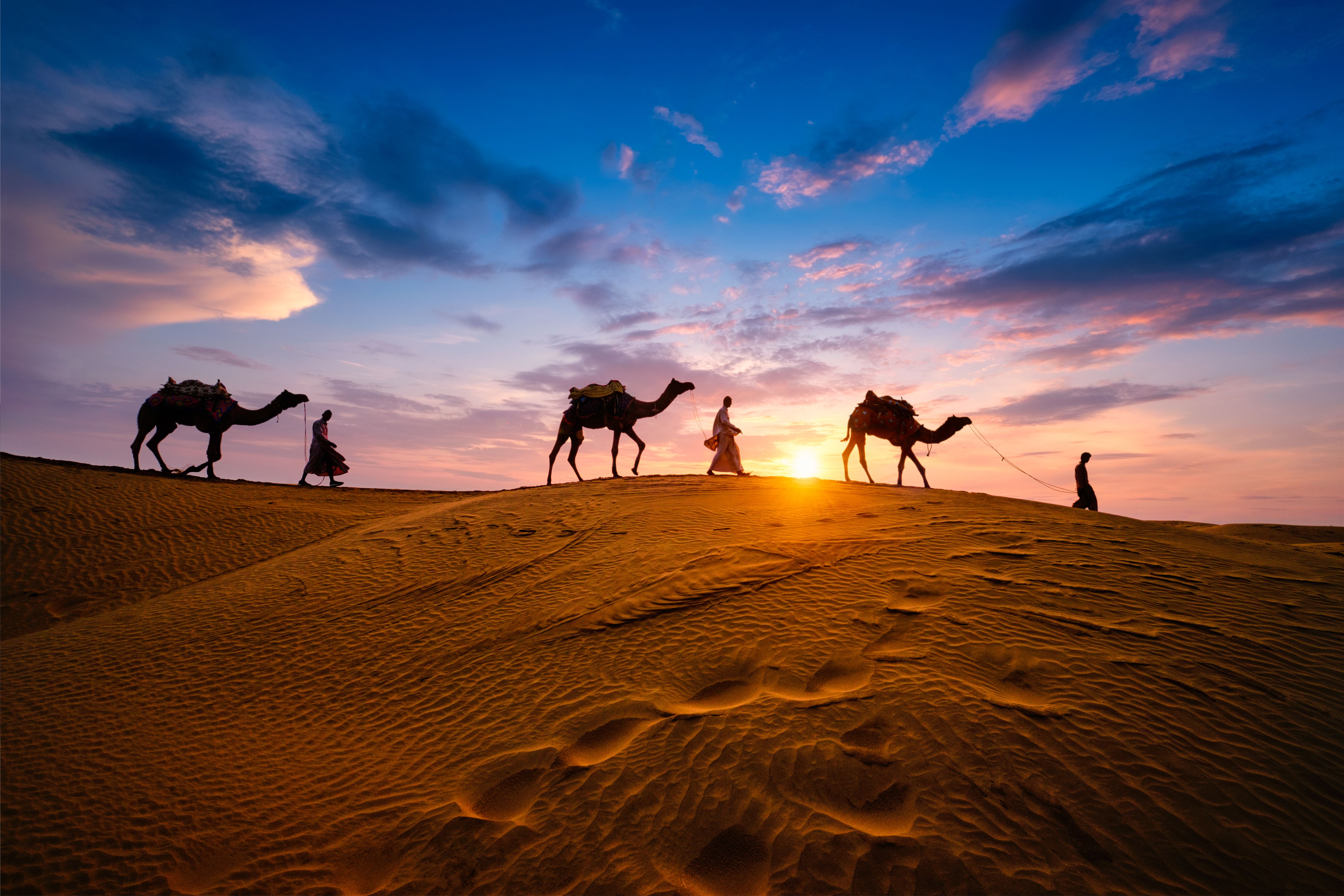
In recent years, the Rub Al Khali has become a destination for adventure tourism. Visitors can experience the desert through guided tours, which often include activities like dune bashing, camel trekking, and camping under the stars. These experiences offer a unique opportunity to connect with the vastness and tranquility of the desert.
However, exploring the Empty Quarter requires careful planning and respect for its extreme conditions. Travelers must be prepared for high temperatures, limited water sources, and the potential for sandstorms. With the right preparation, a journey into the Rub Al Khali can be a transformative experience.
Conclusion
The Rub Al Khali is a place of contrast and wonder, where the harshness of the environment is matched by its beauty and complexity. From its towering sand dunes to its resilient ecosystems and rich cultural heritage, the Empty Quarter offers a unique glimpse into the power and mystery of nature.
Whether you're a scientist, adventurer, or casual traveler, the Rub Al Khali invites you to explore its vastness and discover the secrets hidden within its sands. It stands as a testament to the enduring allure of the world's great deserts.