Exploring the Rub Al Khali: What Makes the Empty Quarter Unique


Introduction to the Rub Al Khali
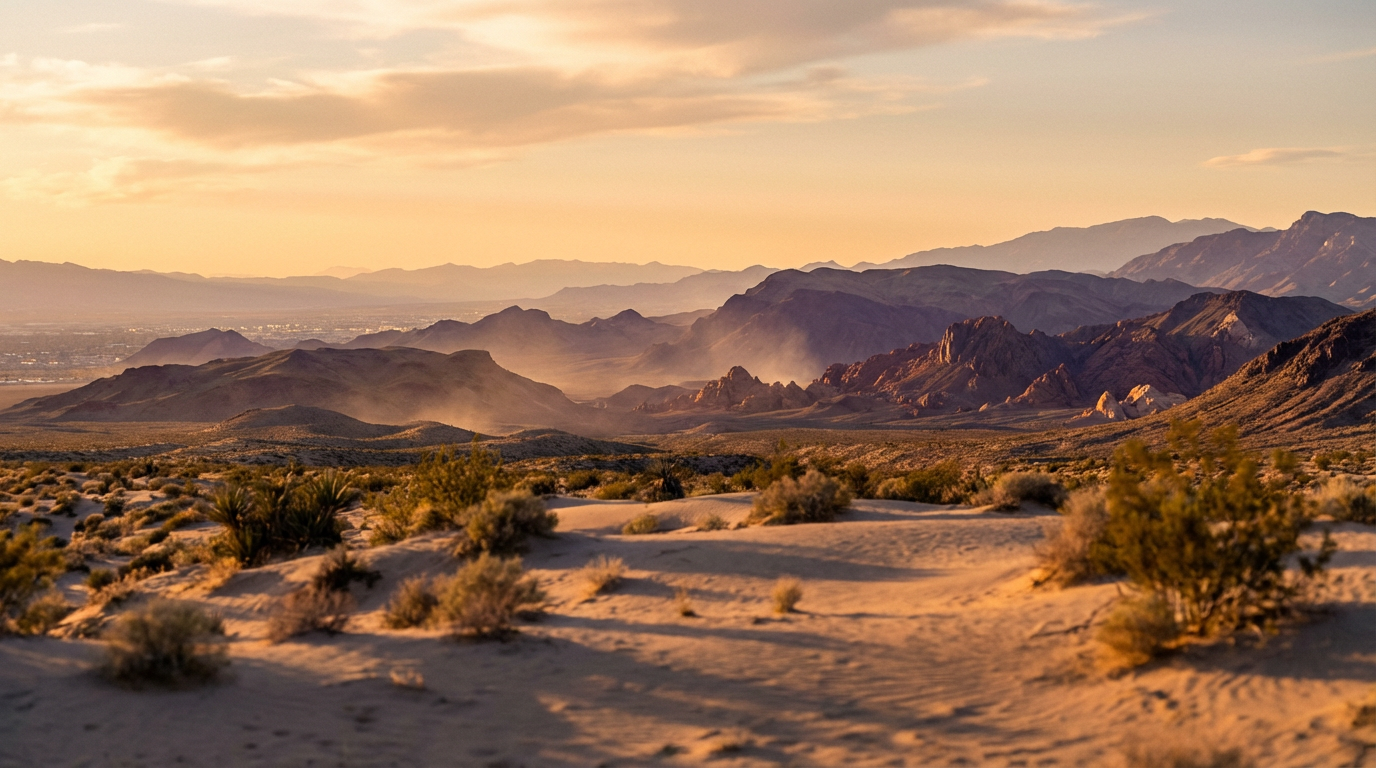
The Rub Al Khali, often referred to as the "Empty Quarter," is the largest continuous sand desert in the world, stretching across four countries: Saudi Arabia, Oman, Yemen, and the United Arab Emirates. This vast expanse of sand is not just a geographical phenomenon but a *mystical land* that has intrigued explorers, historians, and scientists alike.
The Landscape
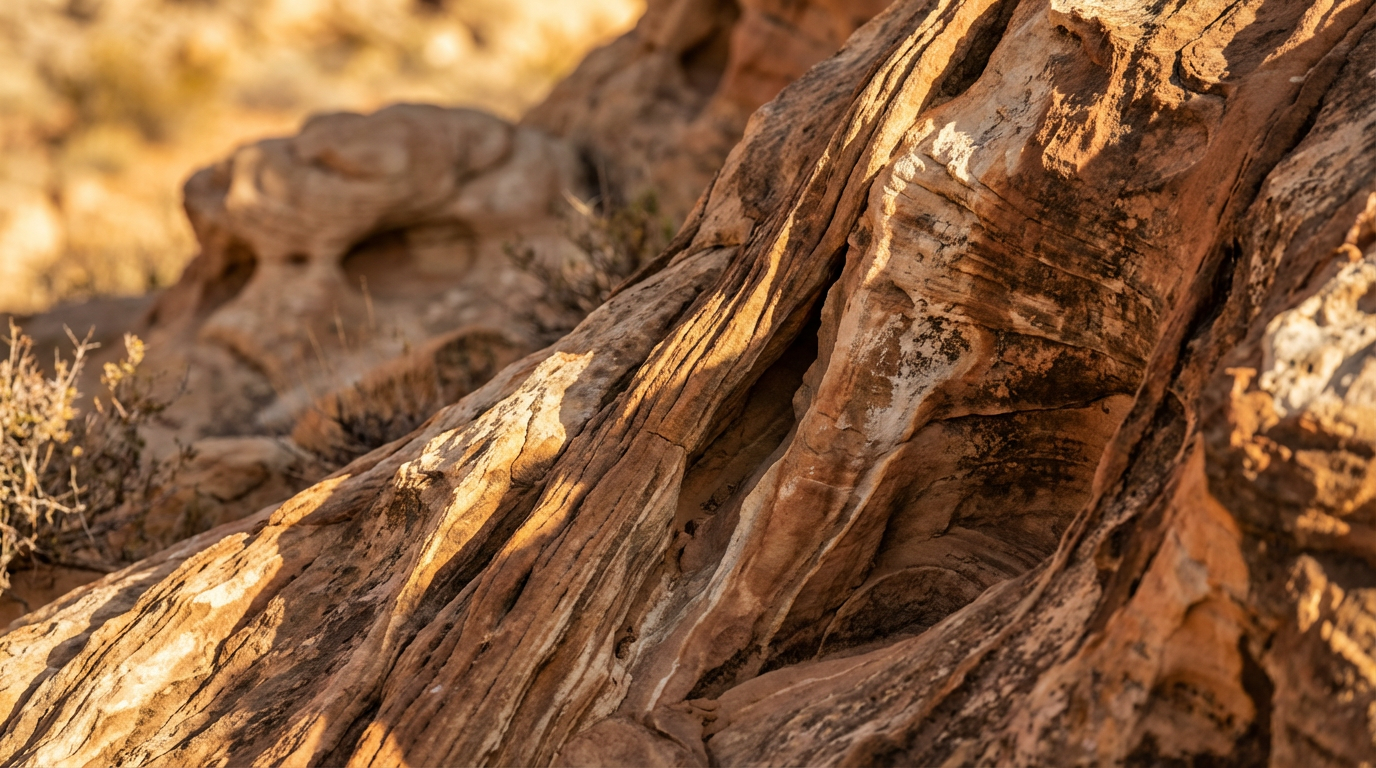
Characterized by towering sand dunes that can reach up to 250 meters in height, the Rub Al Khali offers a landscape that seems almost otherworldly. The dunes' shifting sands, shaped by relentless winds, create patterns that are both mesmerizing and constantly changing. This dynamic environment poses challenges for navigation but also provides an ideal setting for adventure seekers.
Climate and Conditions
The climate in the Empty Quarter is extreme, with daytime temperatures soaring above 50°C (122°F) and dropping significantly at night. The arid conditions mean that rainfall is scarce, averaging less than 3 cm annually. Despite these harsh conditions, the desert is home to a surprising array of life, adapted to survive in such a hostile environment.

Unique Flora and Fauna
Life in the Rub Al Khali is a testament to nature's resilience. The desert hosts a variety of plant species, such as the salt-tolerant ghaf tree and resilient shrubs. These plants play a crucial role in stabilizing the sand dunes and provide sustenance for the desert's fauna.
Wildlife
Despite its barren appearance, the Empty Quarter is home to several animal species. Adapted to the harsh climate, creatures like the Arabian oryx, sand gazelles, and various reptiles navigate the desert with ease. The presence of these animals adds a layer of intrigue to any exploration of the region.

Cultural and Historical Significance
The Rub Al Khali is not just a natural wonder; it is steeped in cultural and historical significance. For centuries, it has been a crossroads for trade routes, with ancient caravans traversing its sands. The desert has also been home to Bedouin tribes, who have passed down their knowledge of the land through generations.
Modern Exploration
In recent years, the Empty Quarter has attracted modern explorers and researchers keen to uncover its secrets. From archaeological digs that reveal ancient civilizations to scientific studies on climate and geology, the Rub Al Khali continues to be a focal point for discovery.
Conclusion
Exploring the Rub Al Khali is not just about witnessing the vastness of a desert; it is an opportunity to connect with a land that is both timeless and ever-changing. Whether you're drawn by its natural beauty, its historical depth, or the thrill of adventure, the Empty Quarter offers an experience unlike any other.