
Mapping Your Path: Navigating the Rub Al Khali Desert


Exploring the vast and enigmatic Rub Al Khali Desert, also known as the Empty Quarter, is a journey filled with adventure and mystery. Covering parts of Saudi Arabia, Oman, the United Arab Emirates, and Yemen, this desert is the largest continuous sand desert in the world. Mapping your path through this expansive landscape requires careful planning and a deep respect for the environment.
Understanding the Terrain
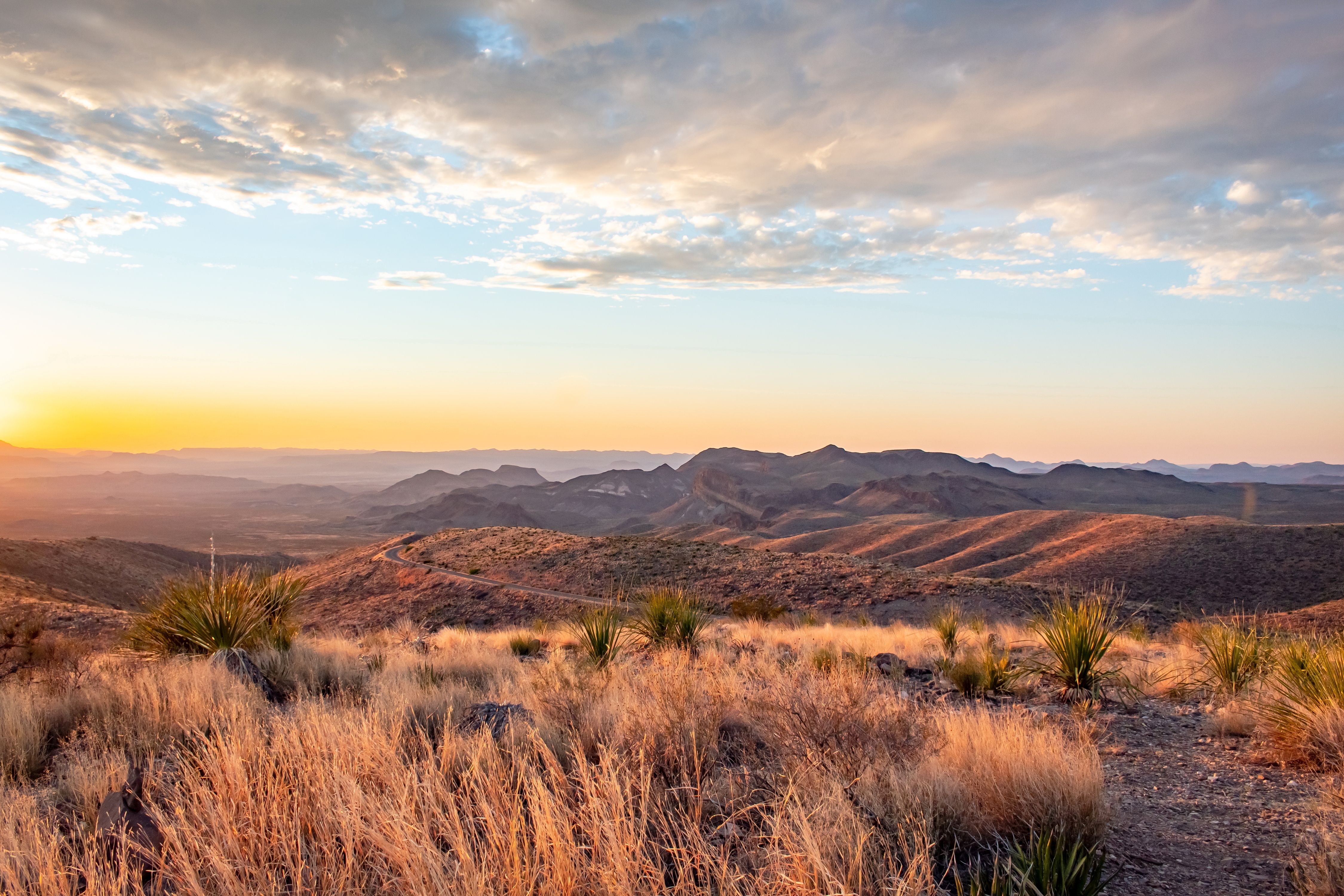
The Rub Al Khali is characterized by endless sand dunes, some reaching heights of over 250 meters. The terrain can be unpredictable, with shifting sands and extreme temperatures. Travelers must be prepared for the challenges posed by this harsh environment.
It's crucial to understand the geographical features of the desert. The dunes are constantly changing, so using a reliable GPS system and updated maps is essential. Traditional navigation methods, such as using the sun and stars, can also be valuable for seasoned adventurers.
Weather Considerations
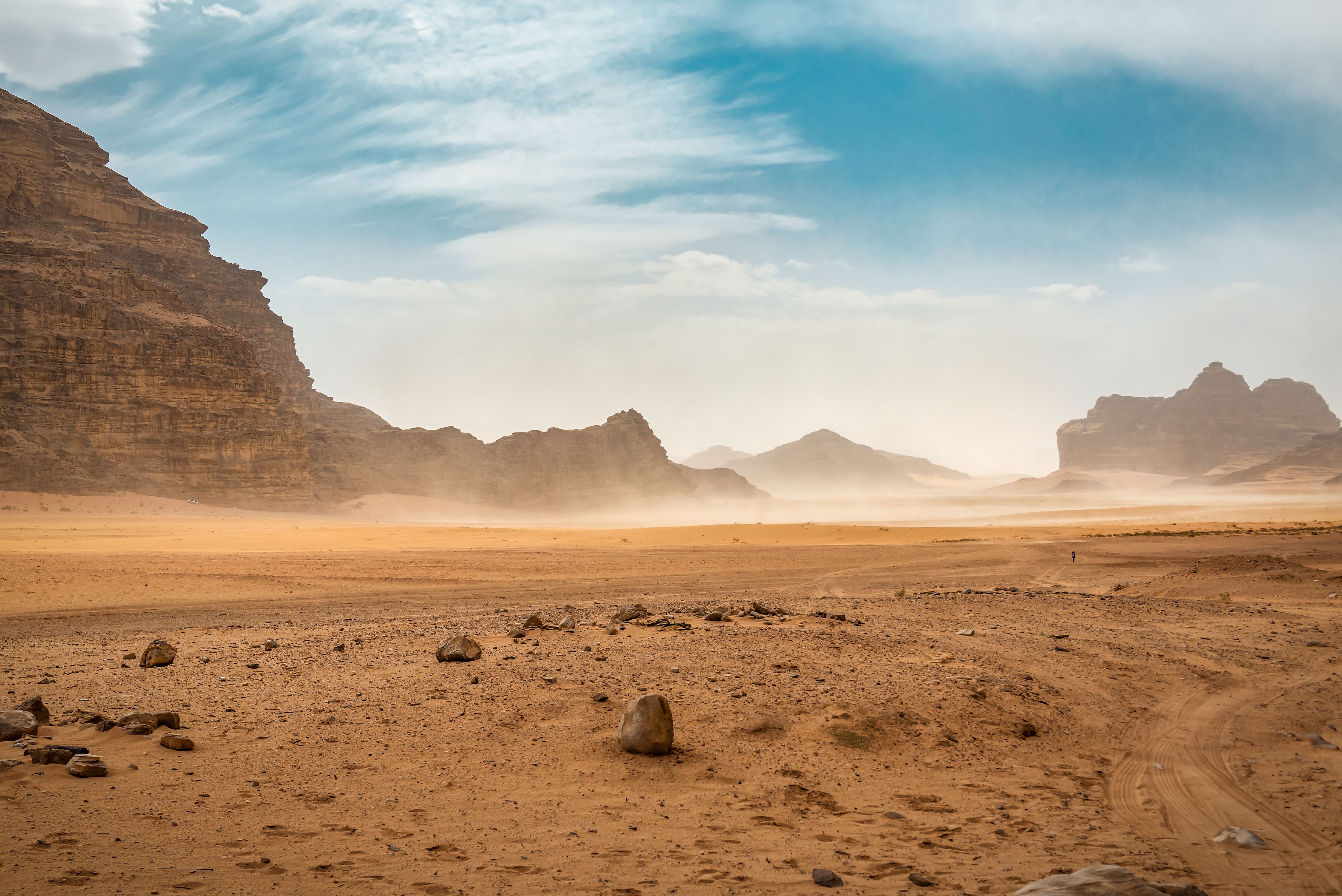
Weather plays a significant role in navigating the Rub Al Khali. Temperatures can soar above 50°C (122°F) during the day and drop sharply at night. Sandstorms, known locally as "haboobs," can occur suddenly, reducing visibility and making travel hazardous.
Travelers should plan their journey during the cooler months, typically between November and February. Always check weather forecasts and be prepared to adjust your plans accordingly.
Essential Equipment and Supplies
Proper equipment is vital for a successful expedition. A reliable 4x4 vehicle is a must, equipped with all-terrain tires and a spare tire. Carrying extra fuel, water, and food supplies is essential, as resources are scarce in the desert.
Navigation Tools
Invest in high-quality navigation tools, including a GPS device, compass, and detailed maps. Satellite phones and emergency communication devices are recommended for staying connected in remote areas.

- First-aid kit
- Fire extinguishers
- Shovels and tow ropes
These items can be critical in ensuring your safety and well-being throughout the journey.
Respecting the Environment
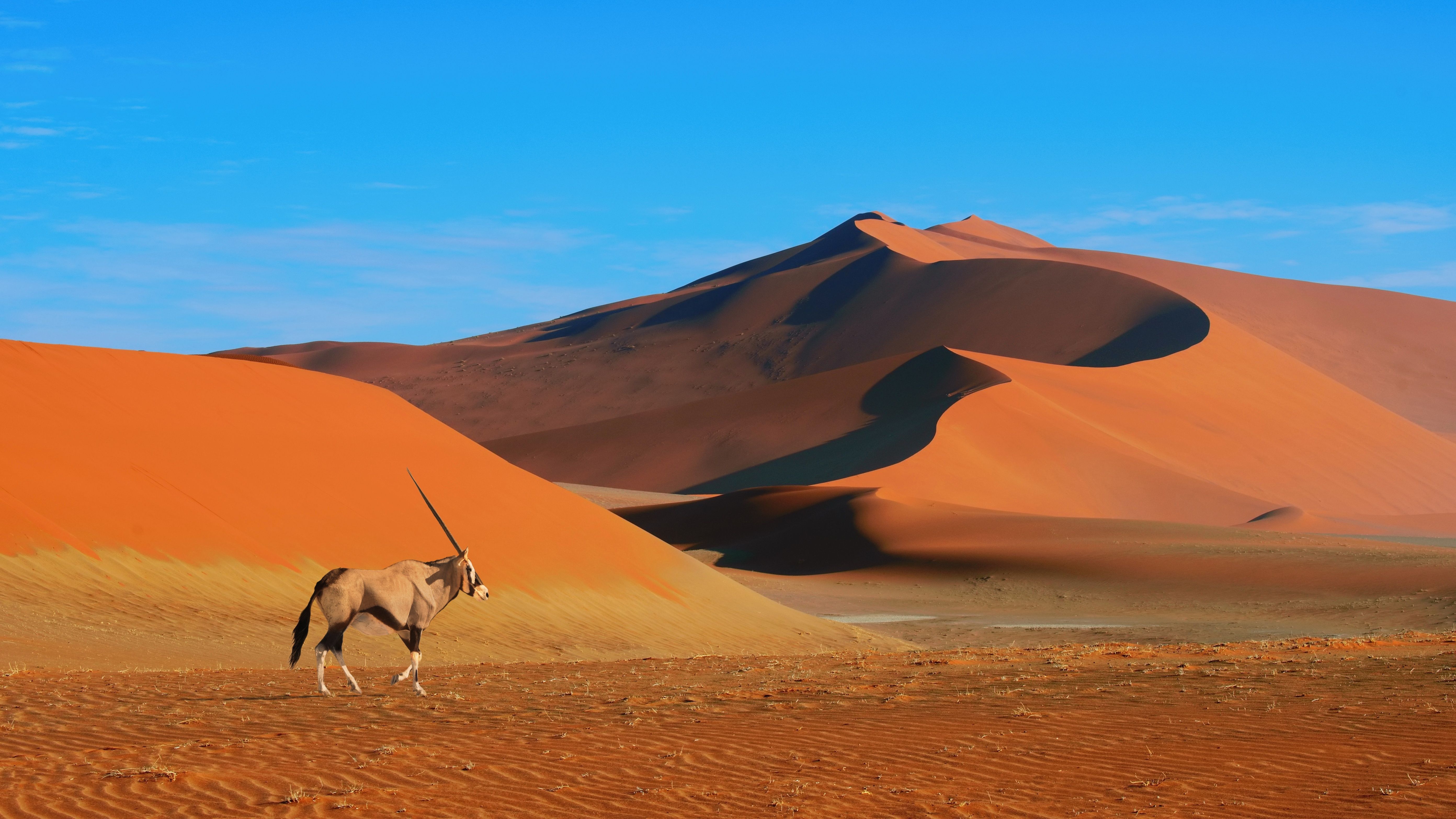
The Rub Al Khali is not just a barren wasteland; it's a delicate ecosystem teeming with unique flora and fauna. Respecting the environment is crucial for preserving its natural beauty.
Travelers should adhere to the "Leave No Trace" principles, ensuring that all waste is properly disposed of and that no harm comes to the wildlife. Staying on established tracks and avoiding fragile areas helps protect the desert's ecosystem.
Cultural Awareness
The desert is home to various Bedouin tribes who have inhabited the region for centuries. Understanding and respecting their culture and traditions is important. Engage with local guides for a richer experience and to gain invaluable insights into the desert's history and culture.
Mapping your path through the Rub Al Khali is not just a physical journey but also a spiritual one. The vastness and solitude offer a unique opportunity for introspection and connection with nature. By preparing thoroughly and respecting the environment, travelers can create unforgettable memories in one of the world's last great wildernesses.