
Preparing for Extreme Conditions: Desert Survival Training Tips


Understanding the Desert Environment
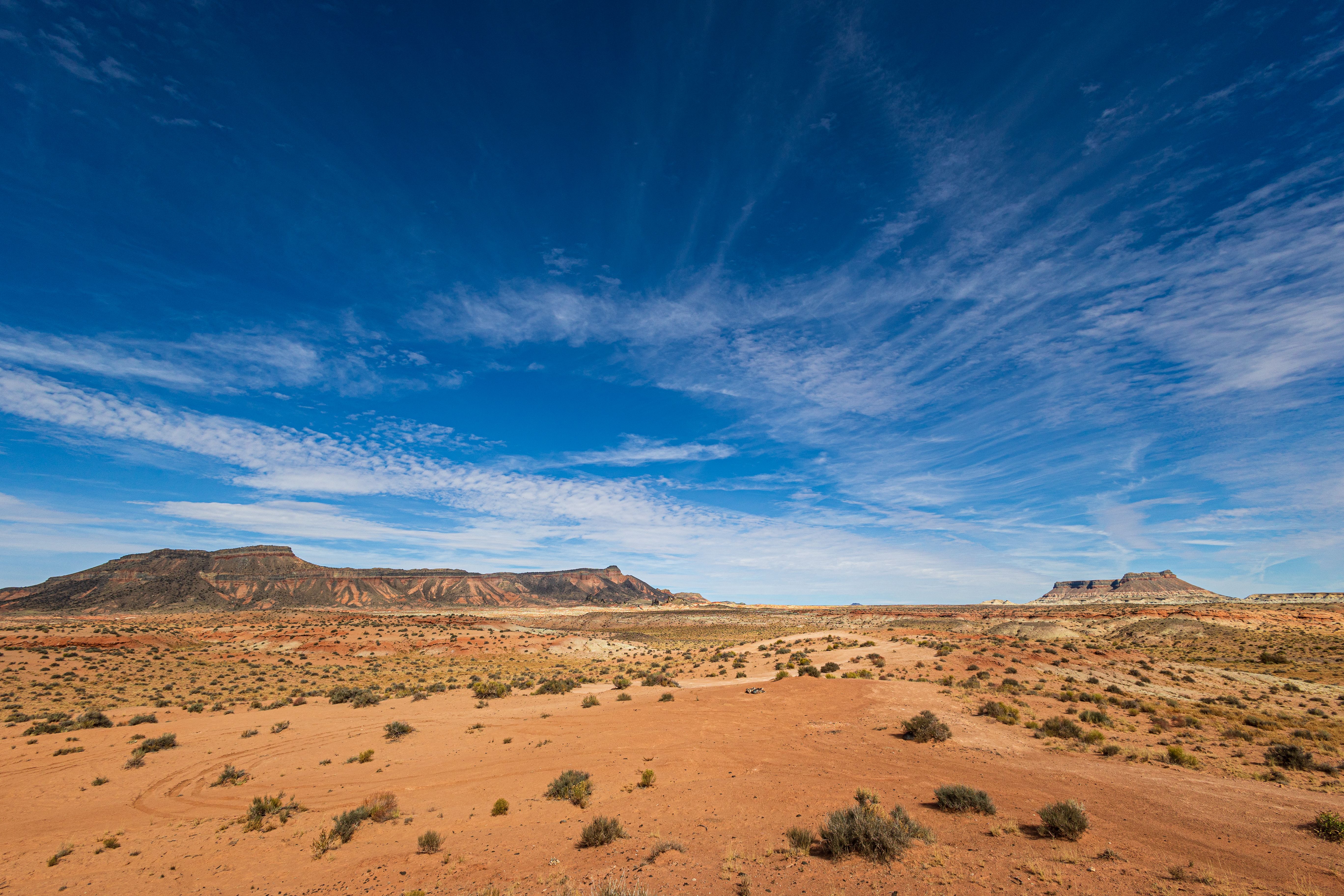
Deserts are among the most challenging environments on Earth. Characterized by extreme temperatures, scarce water, and limited vegetation, survival in these conditions requires specialized knowledge and skills. Whether you're planning a trek through the Sahara or exploring the Mojave, being prepared is crucial.
Essential Gear for Desert Survival
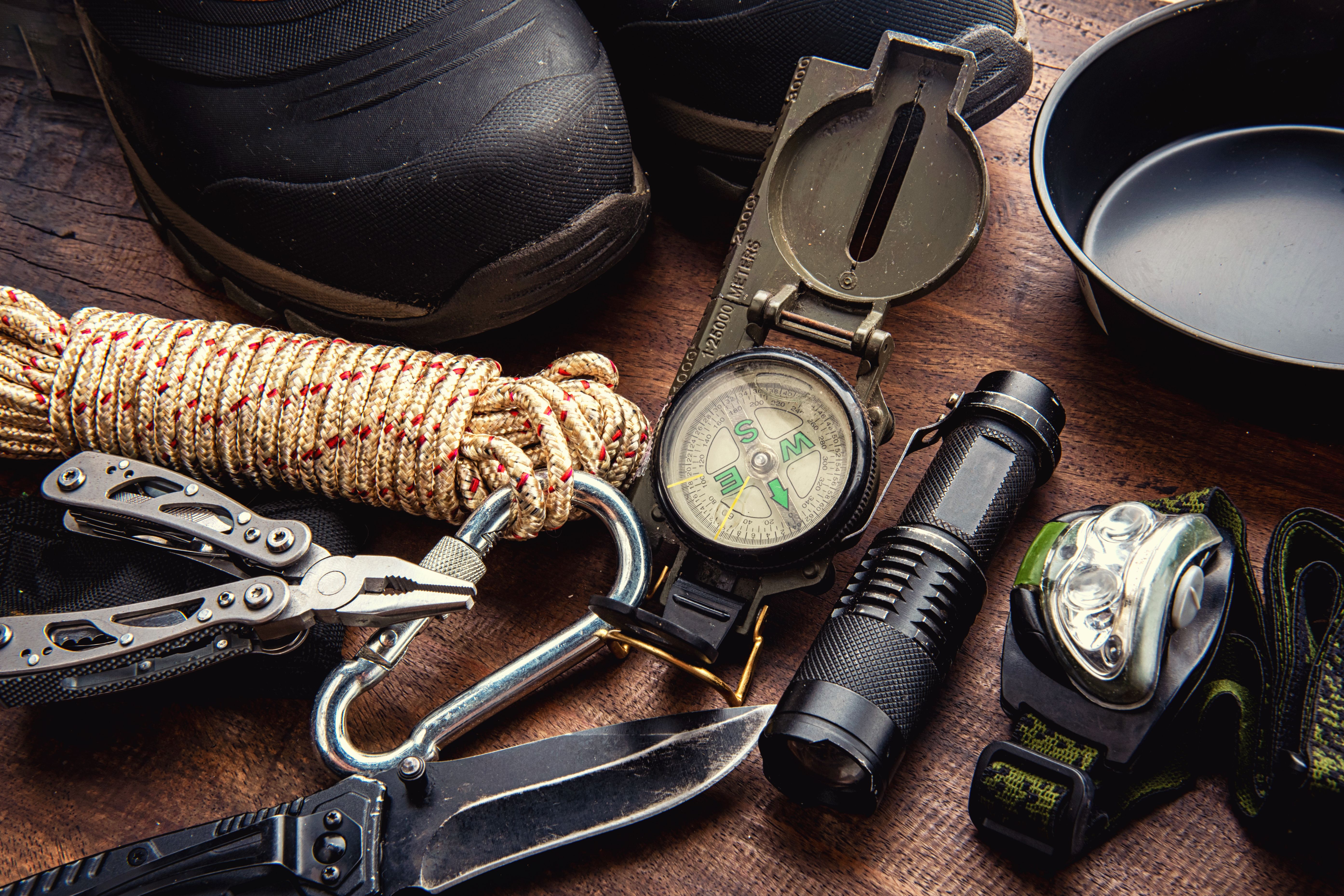
When venturing into the desert, having the right gear can be the difference between life and death. Key items include:
- Water containers: Carry enough water to last for several days.
- Navigation tools: A compass and map are essential for finding your way.
- Sun protection: Hats, sunglasses, and sunscreen are vital to protect against harsh UV rays.
- Emergency shelter: A portable shade or tent can provide necessary relief from the sun.
Mastering Water Conservation
Water is the most precious resource in the desert. To conserve water:
- Travel during the cooler parts of the day to minimize sweat loss.
- Wear light, breathable clothing to reduce perspiration.
- Ration your water supply carefully, sipping small amounts regularly.
Navigation and Orientation
Getting lost in the desert can be perilous. To stay on course:
- Use landmarks: Identify natural features to guide your path.
- Track your progress: Regularly check your compass and map.
- Stay calm: Panic can lead to poor decision-making.

Handling Extreme Temperatures
Desert temperatures can fluctuate dramatically between day and night. To cope with these extremes:
- Dress in layers: This helps regulate body temperature.
- Rest during peak heat: Find shade and conserve energy.
- Stay hydrated: Dehydration is a significant risk in high temperatures.
Recognizing and Responding to Hazards
The desert is home to various hazards, from wildlife to sudden weather changes. Being aware and prepared can keep you safe:
- Know local wildlife: Understand which animals are dangerous and how to avoid them.
- Watch for weather warnings: Flash floods and sandstorms can occur unexpectedly.
Building Mental Resilience
Surviving in extreme conditions requires not only physical strength but also mental resilience. Stay focused, manage stress, and maintain a positive attitude to overcome challenges. Regularly practice meditation or breathing exercises to enhance mental fortitude.
Conclusion
Desert survival requires preparation, awareness, and adaptability. By understanding the environment, equipping yourself with the right gear, and mastering essential survival skills, you can safely navigate the harsh terrain. Always respect the desert and approach it with the seriousness it demands.