Preparing for the Empty Quarter Marathon: Essential Tips and Tricks


Understanding the Challenge
Preparing for the Empty Quarter Marathon requires a unique approach due to the demanding desert environment. This marathon, set in one of the largest sand deserts in the world, offers breathtaking views but also presents significant challenges. Runners must be ready to tackle not just the distance but also the extreme heat and shifting sands.
To succeed, it's crucial to understand the physical and mental demands of running in such a harsh climate. Familiarize yourself with the route, weather conditions, and terrain to tailor your training accordingly.

Training and Conditioning
Building endurance is key. Incorporate long runs into your weekly routine, gradually increasing the distance to mimic marathon conditions. Pay particular attention to running on sand, as this requires different muscle engagement compared to solid ground.
Strength training is equally important. Focus on exercises that target your core, legs, and ankles to enhance stability and reduce the risk of injury. Consistent strength workouts will help your body adapt to the uneven terrain of the desert.

Hydration and Nutrition
Hydration is critical when preparing for a desert marathon. Develop a hydration strategy that maintains your electrolyte balance. Practice drinking during your training runs to ensure your body is accustomed to the intake.
Nutrition plays a pivotal role in your performance. Prioritize a balanced diet rich in carbohydrates, proteins, and healthy fats. On race day, opt for energy gels or bars that provide quick and sustained energy.

Gear and Equipment
Choosing the right gear can significantly impact your performance. Invest in lightweight, breathable clothing that offers sun protection. A wide-brimmed hat and UV-blocking sunglasses are essential to shield you from the sun.
Footwear is crucial; select trail running shoes that provide good traction on sand. Consider gaiters to keep sand out of your shoes, preventing discomfort during the race.
Mental Preparation
Running a marathon in the Empty Quarter is as much a mental challenge as it is a physical one. Develop mental toughness through visualization techniques and positive affirmations. Visualize crossing the finish line and the sense of accomplishment it brings.
Incorporate meditation or mindfulness practices into your routine. These techniques can help you maintain focus and calmness, especially when faced with the vastness and isolation of the desert.

Race Day Strategy
Having a solid race day plan is essential. Start at a manageable pace to conserve energy, gradually increasing your speed as you adapt to the conditions. Listen to your body and adjust your pace accordingly.
Break the race into segments, focusing on reaching each checkpoint. This strategy can make the marathon feel more manageable, keeping your motivation high throughout the event.
Post-Race Recovery
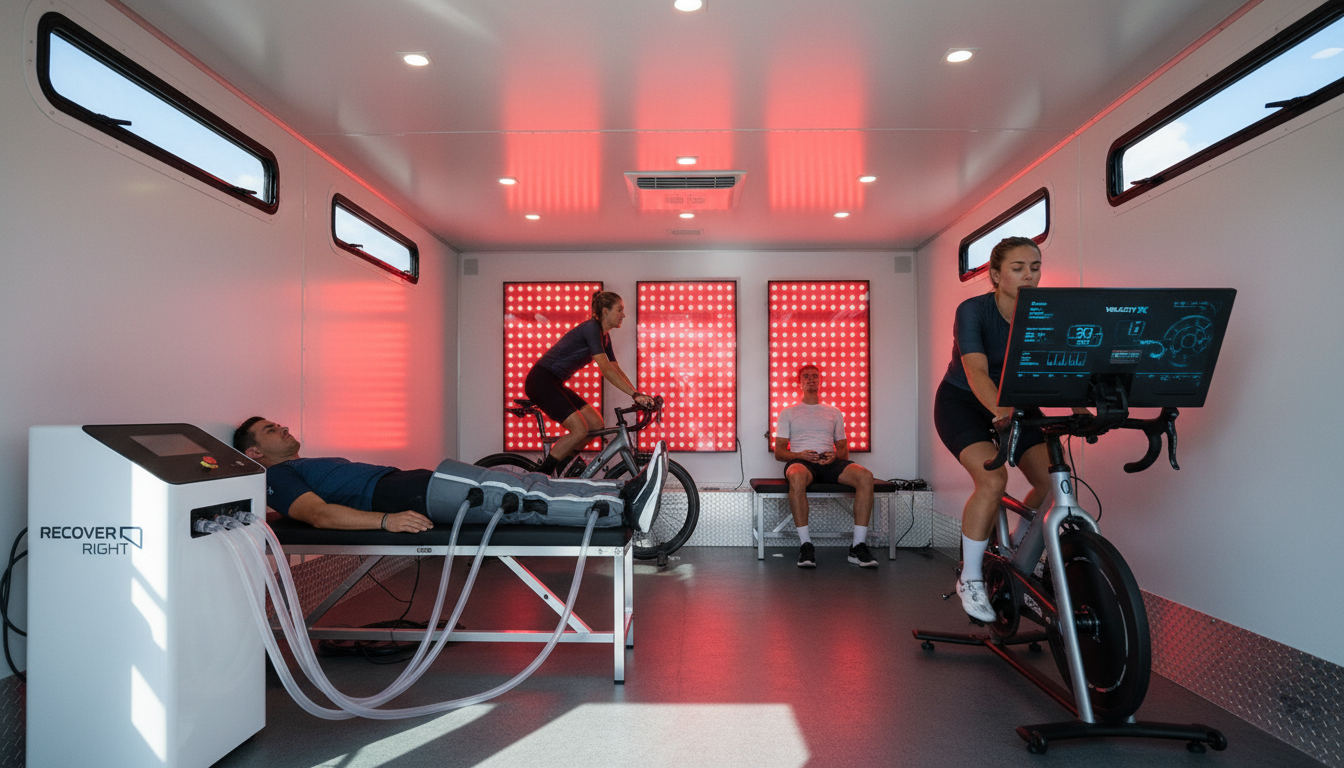
Recovery is just as important as preparation. After the race, prioritize hydration and nutrient-rich foods to replenish your energy stores. Gentle stretching and light walking can help prevent muscle stiffness.
Allow your body time to recover fully. Consider a few days of rest before returning to your regular training routine. Reflect on your experience to identify areas for improvement in future races.