
Survival Skills for Desert Racing: Lessons from the Rub Al Khali


Introduction to Desert Racing
Desert racing is an exhilarating and challenging sport that tests the limits of both human endurance and mechanical reliability. The Rub Al Khali, also known as the Empty Quarter, is one of the most formidable desert landscapes in the world, providing a perfect backdrop for such extreme adventures.
Surviving and thriving in this environment requires a unique set of skills and knowledge. Here, we delve into some essential survival skills for desert racing, drawing lessons from the vast, unforgiving sands of the Rub Al Khali.

Understanding the Terrain
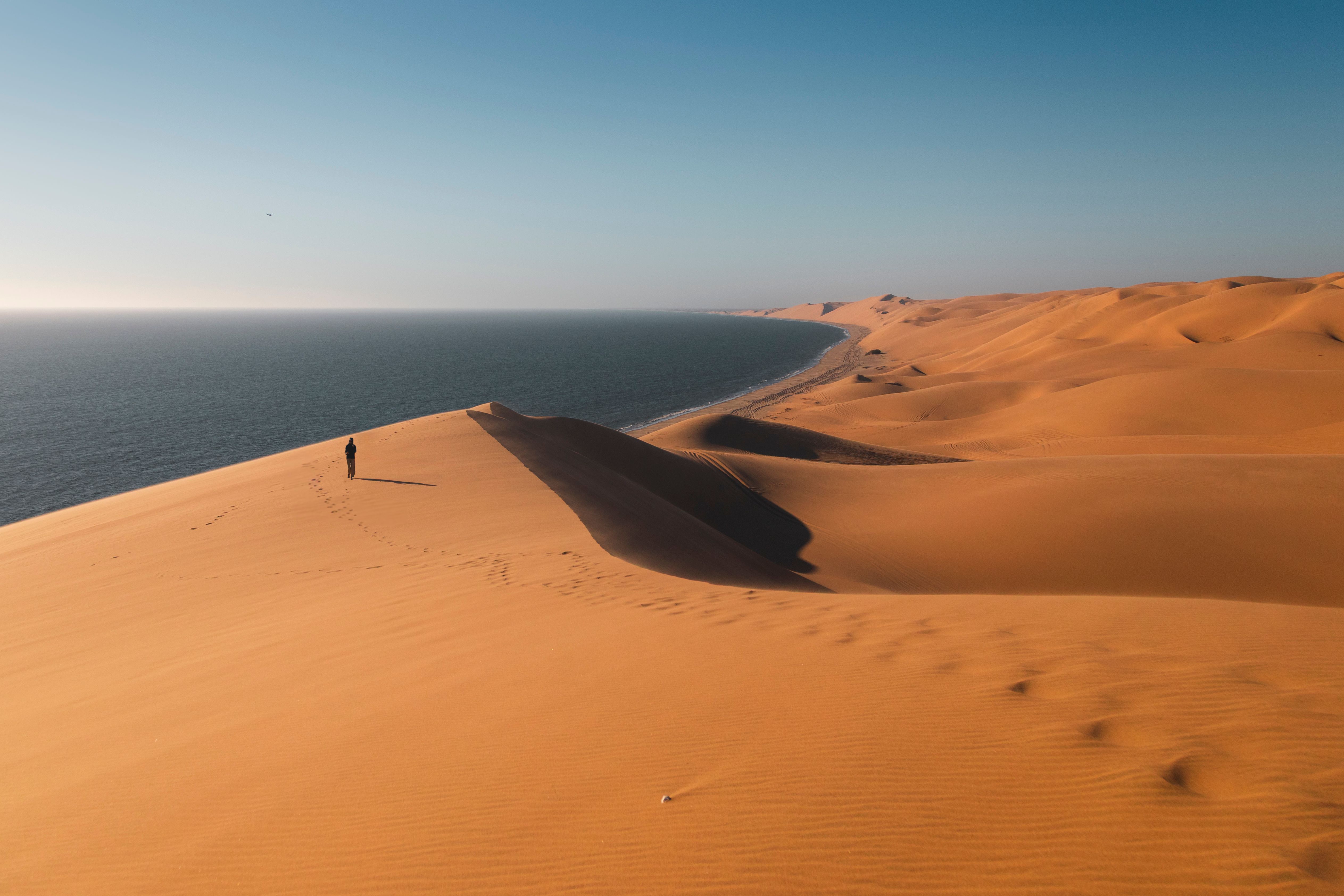
One of the first lessons in desert racing is understanding the terrain. The Rub Al Khali is characterized by its immense sand dunes, some of which can reach heights of over 250 meters. Navigating these dunes requires a strategic approach and a keen sense of terrain awareness.
Reading the Dunes
Competitors must learn to read the dunes, identifying the safest and most efficient paths. This involves recognizing wind patterns and understanding how they shape the dunes. Experienced racers know to avoid the steep, slip-face sides which can cause vehicles to roll.
Vehicle Preparation and Maintenance
Proper vehicle preparation is crucial for desert racing. The harsh conditions of the Rub Al Khali can quickly wear down even the most robust vehicles. Regular maintenance checks and pre-race inspections are essential to ensure reliability.
Essential Modifications
Vehicles need to be equipped with specialized tires to handle the soft sand, and suspension systems must be adjusted to absorb the impact of uneven terrain. Additionally, carrying spare parts and tools is a must for on-the-fly repairs.

Navigational Skills
Unlike traditional racing circuits, desert racing in the Rub Al Khali often lacks defined tracks. This makes navigational skills critical. Racers must rely on GPS technology as well as traditional compass and map reading skills.
Using Technology Wisely
While GPS provides valuable assistance, it’s essential to have a backup plan. Batteries can fail, and technology can malfunction, so understanding how to navigate using the sun and stars can be a lifesaver.

Physical and Mental Endurance
Desert racing is as much a mental challenge as it is a physical one. The intense heat, endless sands, and the isolation of the Rub Al Khali can take a toll on even the most seasoned racers.
Staying Hydrated and Focused
Staying hydrated is paramount, and competitors must be vigilant about their water intake. Additionally, maintaining focus and a positive mindset is crucial to overcoming the mental hurdles presented by the desert environment.

Conclusion
The Rub Al Khali offers a unique and challenging environment for desert racing. By understanding the terrain, preparing vehicles properly, honing navigational skills, and building physical and mental endurance, racers can improve their chances of success.
Learning these survival skills not only enhances performance but also ensures safety in one of the world’s most extreme landscapes. Whether you're a seasoned racer or a newcomer to the sport, these lessons from the Empty Quarter are invaluable.