
Surviving and Thriving: How to Train for an Extreme Desert Marathon


Understanding the Challenge
Participating in an extreme desert marathon is not just about running; it's about enduring one of the most challenging environments on the planet. These marathons test your physical and mental limits, requiring extensive preparation and strategies to not only survive but thrive in the harsh desert conditions.
Extreme desert marathons can stretch over several days, covering hundreds of kilometers. The heat, arid conditions, and rugged terrain demand a specialized training regime to ensure success.

Building Physical Endurance
Building stamina is crucial for a desert marathon. Incorporate long-distance running into your routine, gradually increasing your mileage each week. Focus on cardiovascular endurance by including interval training and hill runs to simulate the uneven desert terrain.
Strength training is equally important. Work on your core, legs, and upper body to handle the physical strain of running with a backpack. Weightlifting and resistance exercises can help build the necessary muscle strength.
Acclimatizing to Desert Conditions
Acclimatization is key to surviving the intense heat and aridity of the desert. Spend time in hot environments to condition your body to high temperatures. If possible, train in a desert-like environment or use a sauna to simulate the heat.
Hydration is critical. Your body needs to adapt to losing fluids quickly and efficiently. Practice drinking water on the go and understand the signs of dehydration to avoid any adverse effects during the race.

Mental Preparation
The mental aspect of a desert marathon cannot be underestimated. Develop mental resilience by setting small, achievable goals during training. Visualization techniques can also help maintain focus and motivation, especially during tough stretches of the race.
Meditation and mindfulness practices can enhance your mental stamina, helping you stay calm and centered. Remember, mental strength will carry you when physical energy wanes.
Proper Gear and Nutrition
Investing in the right gear is essential. Choose lightweight, breathable clothing and high-quality running shoes designed for rough terrain. A well-fitted backpack is also crucial for carrying essentials without causing discomfort.
- Lightweight clothing
- Quality running shoes
- Well-fitted backpack
Nutrition is another vital component. Develop a diet plan rich in carbohydrates, proteins, and healthy fats to fuel your body. Practice eating small, frequent meals to maintain energy levels throughout the marathon.

Safety Considerations
Safety should always be a top priority. Familiarize yourself with the signs of heat exhaustion and heatstroke. Always run with a partner or inform someone of your whereabouts. Carry a basic first-aid kit and know how to use it.
Mapping out your route and understanding the terrain can prevent unnecessary risks. Being prepared for emergencies ensures not only your safety but also allows you to focus on the race itself.
Post-Race Recovery
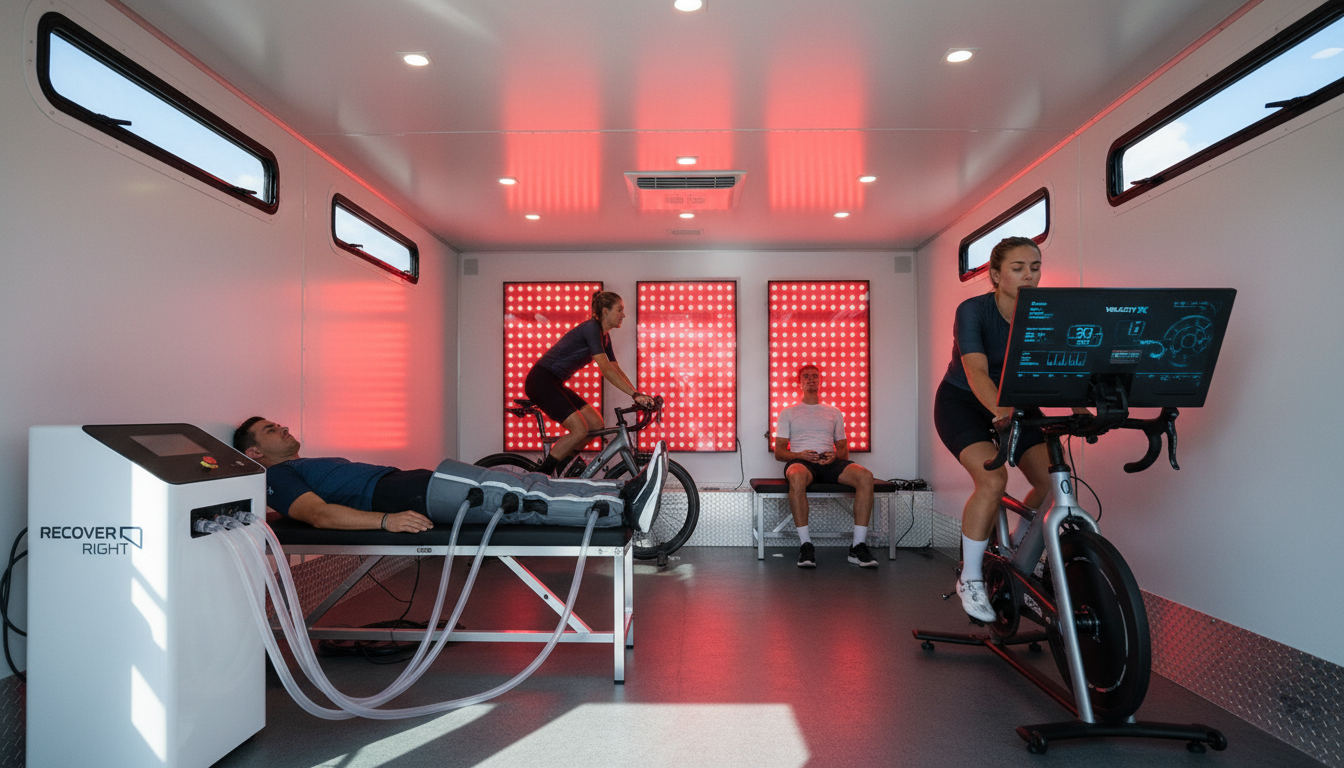
After completing the marathon, allow your body ample time to recover. Hydrate extensively and consume nutrient-rich foods to replenish lost energy. Gentle stretching and massages can aid in muscle recovery.
Reflect on your experience, noting any lessons learned or areas for improvement. This reflection will be invaluable for future races, helping you refine your strategy and approach.
Training for an extreme desert marathon is a monumental challenge, but with the right preparation and mindset, it can be an incredibly rewarding experience. Embrace the journey, and you'll not only survive but thrive in the desert.