
Surviving the World's Largest Sand Desert: Insights from the Empty Quarter


Understanding the Empty Quarter
The Empty Quarter, or Rub' al Khali, is the world’s largest sand desert, spreading across Saudi Arabia, Oman, the United Arab Emirates, and Yemen. This vast expanse of sand dunes and extreme temperatures poses unique challenges and offers remarkable insights into survival and adaptation.
Covering an area of approximately 650,000 square kilometers, the Empty Quarter is one of the harshest environments on Earth. The temperatures can soar above 55°C (131°F), and the dunes can reach heights of up to 250 meters, creating an awe-inspiring yet intimidating landscape.

Challenges of Surviving in the Empty Quarter
Surviving in the Empty Quarter requires a deep understanding of its harsh conditions. The lack of water, extreme heat, and isolation make it a formidable environment for both humans and wildlife. However, those who dare to explore this desert find it a place of incredible beauty and intrigue.
One of the primary challenges is finding water. The scarcity of this vital resource requires travelers to plan meticulously, often relying on wells or carrying sufficient supplies. Additionally, the shifting sands can make navigation difficult, with landmarks disappearing as quickly as they appear.
Strategies for Survival
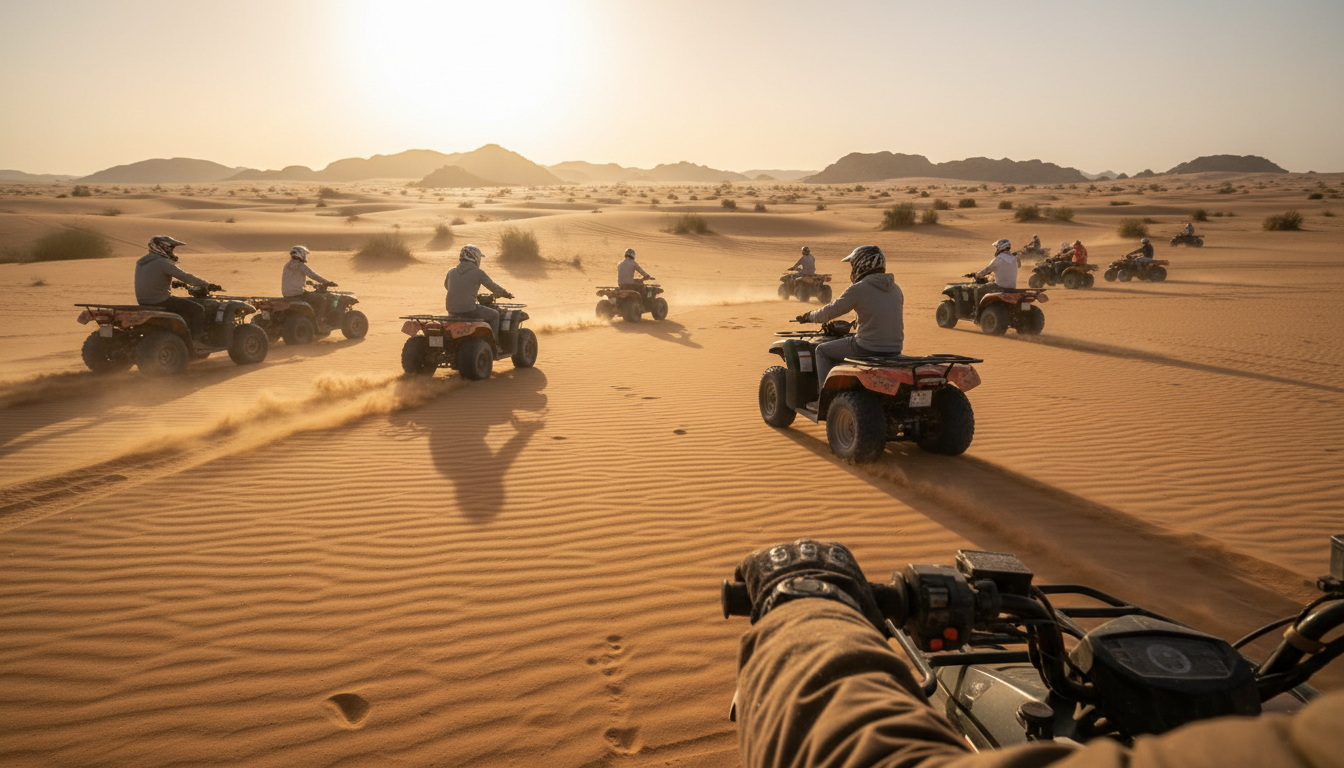
To survive in the Empty Quarter, preparation is key. Here are some essential strategies:
- Hydration: Always carry more water than you think you’ll need.
- Navigation: Use GPS devices and maps, but also learn to read the stars and natural markers.
- Shelter: Find or create shade during the day and travel during cooler times.
Flora and Fauna of the Desert
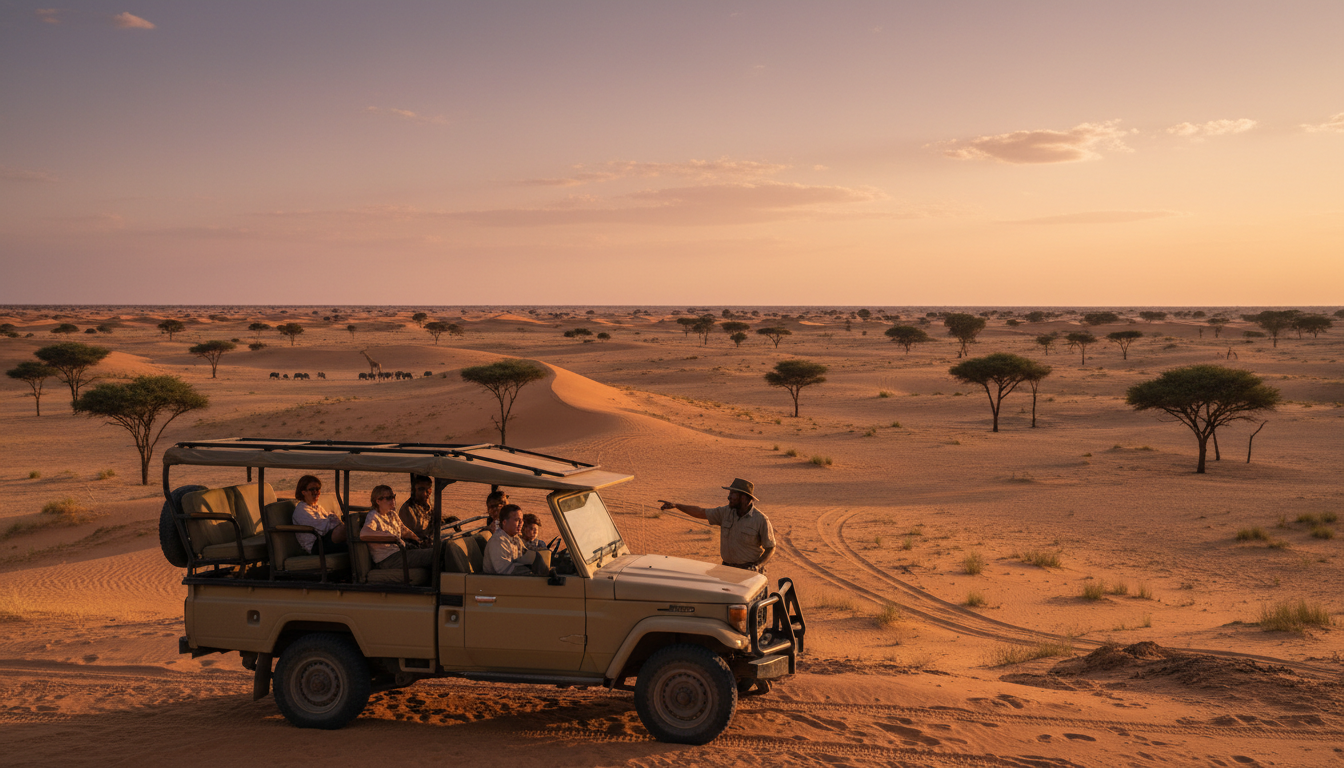
Despite its harshness, the Empty Quarter is home to an array of flora and fauna adapted to survive in extreme conditions. Plants such as saltbushes and acacias have deep roots to access underground water, while some animals, like the Arabian oryx and sand gazelles, have adapted to the scarcity of resources.
The desert also supports smaller creatures such as lizards and insects, which have developed unique survival mechanisms. These life forms demonstrate nature’s resilience and the delicate balance required to thrive in such an unforgiving environment.
The Cultural Significance
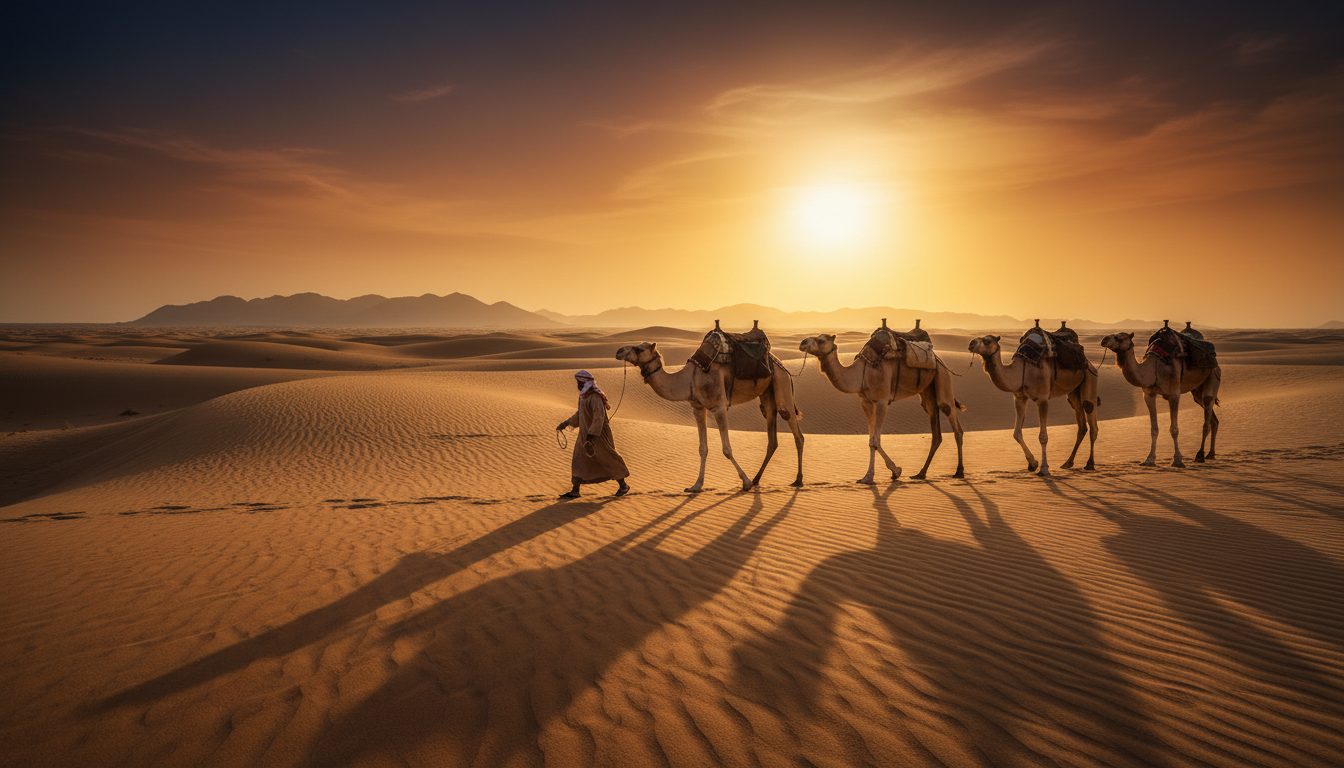
The Empty Quarter is not only a natural wonder but also a place of cultural and historical significance. It has been traversed by Bedouins for centuries, who have developed a unique understanding of its landscape and resources. Their knowledge and traditions offer valuable insights into living harmoniously with nature.
Modern explorers and researchers continue to study the Empty Quarter, gaining insights into climate patterns, geology, and even ancient trade routes. This desert, with its mystical allure, continues to captivate the imagination of adventurers and scientists alike.
The Future of Exploration
As technology advances, the possibilities for exploring the Empty Quarter expand. Drones, satellite imagery, and new navigation tools allow for safer and more in-depth exploration, providing a deeper understanding of this enigmatic desert.
However, the challenges remain, reminding us of the importance of respecting the natural environment. The Empty Quarter stands as a testament to the power and beauty of nature, offering lessons in resilience, adaptation, and the enduring human spirit.