
The Impact of Weather in the Empty Quarter: Preparing for Desert Extremes


The Empty Quarter, or Rub' al Khali, is one of the most extreme desert environments on the planet. Spanning over 650,000 square kilometers across Saudi Arabia, Oman, the United Arab Emirates, and Yemen, its harsh weather conditions have a profound impact on both the environment and human activities in the region.
Understanding the weather patterns of this vast desert is crucial for anyone planning to explore or work in the area. From intense heat to unexpected rainfall, the Empty Quarter presents a range of challenges.
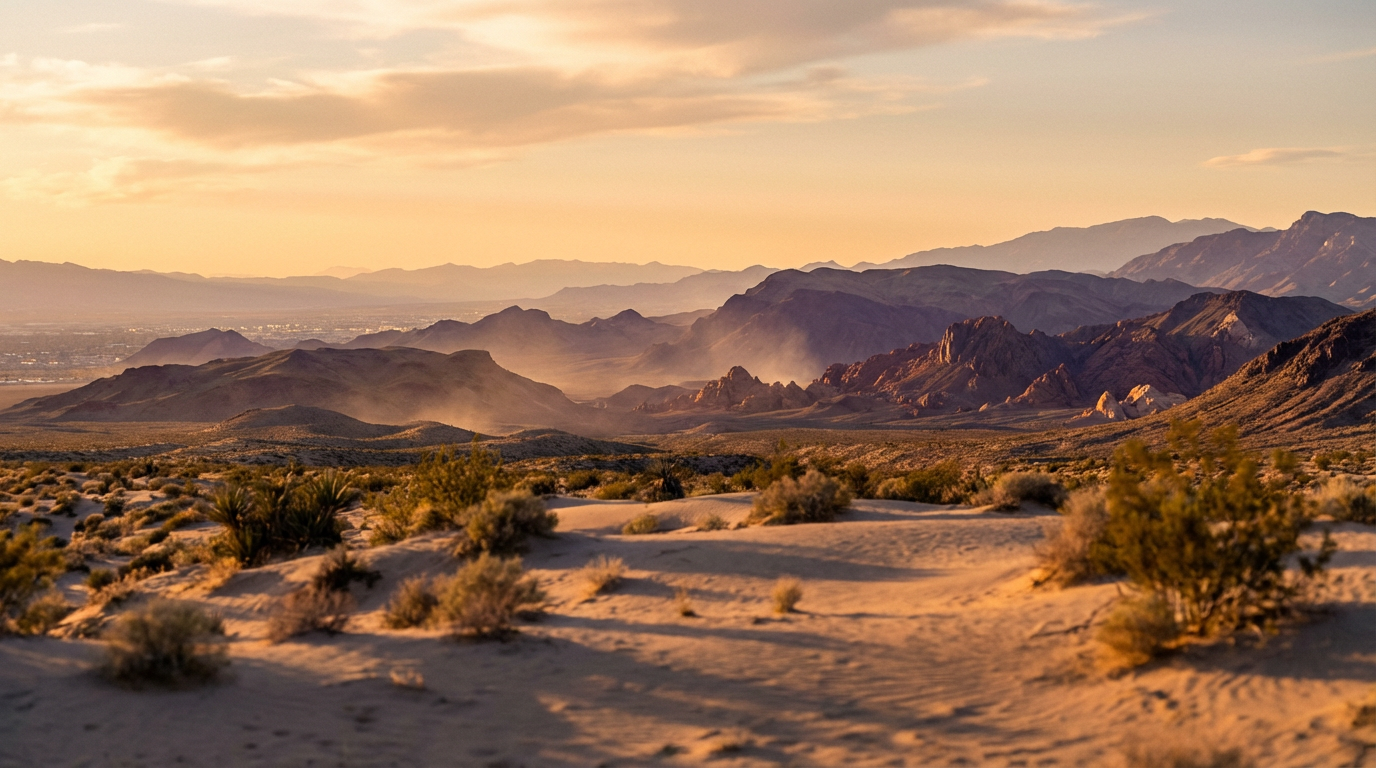
The Climate and Weather Patterns
The climate in the Empty Quarter is characterized by extreme temperatures and minimal rainfall. During the summer months, temperatures can soar above 50°C (122°F), making it one of the hottest places on Earth. Conversely, winter nights can be surprisingly cold, dropping to near freezing.
Rainfall is scarce and unpredictable, with some areas receiving less than 3 centimeters annually. When rain does occur, it can lead to flash floods due to the hard, compacted desert surface that prevents water absorption.

Preparing for Extreme Heat
Surviving the heat in the Empty Quarter requires careful preparation. Here are some essential tips:
- Hydration: Always carry ample water supplies and drink regularly to avoid dehydration.
- Sun Protection: Wear lightweight, long-sleeved clothing and a wide-brimmed hat to protect against the sun's rays.
- Travel Timing: Plan travel and outdoor activities during the cooler parts of the day, such as early morning or late afternoon.
Dealing with Sandstorms
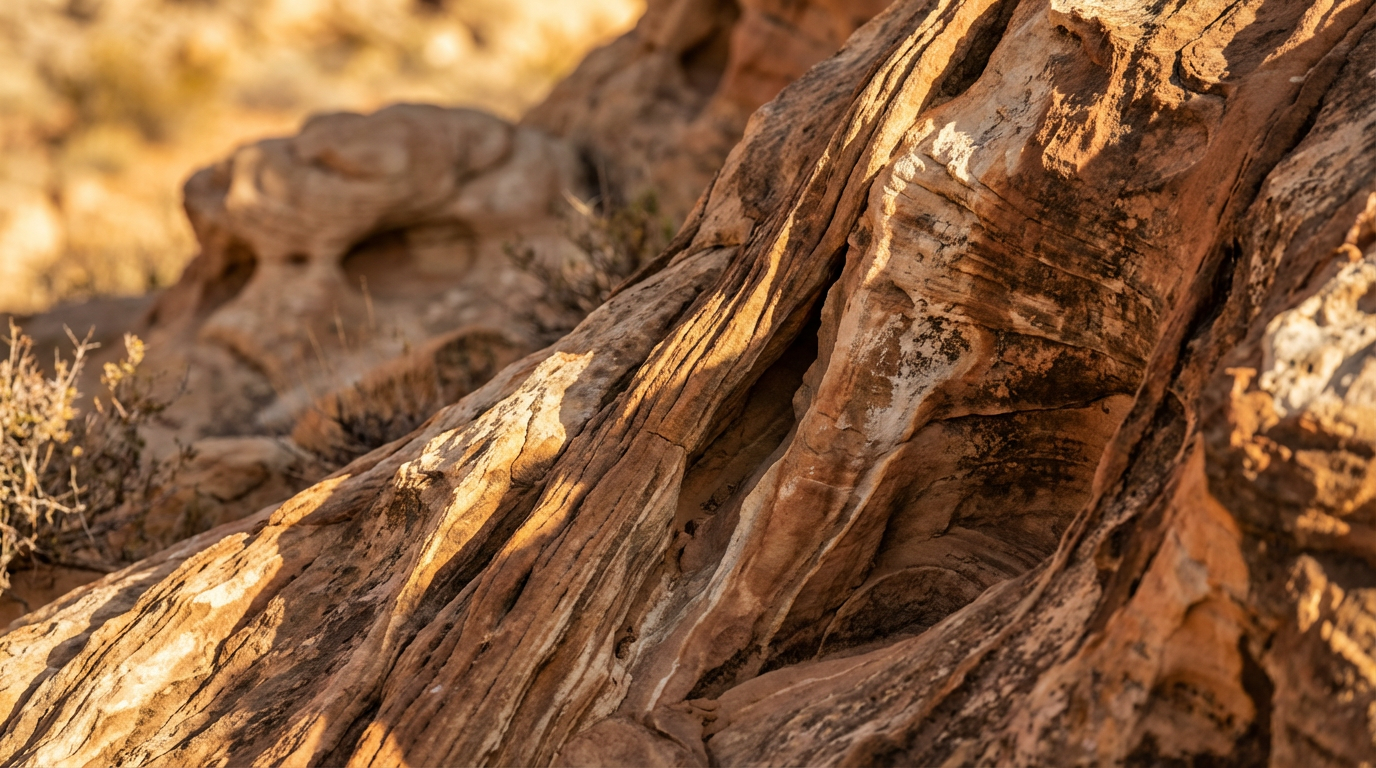
Sandstorms are a frequent occurrence in the Empty Quarter, driven by strong winds that lift sand and dust into the air. These storms can reduce visibility to near zero and pose significant health risks.
To mitigate the effects of sandstorms:
- Stay Informed: Monitor weather forecasts and be aware of sandstorm alerts.
- Protect Respiratory Health: Wear masks or scarves to cover your nose and mouth.
- Seek Shelter: If caught in a sandstorm, find shelter immediately and wait for it to pass.
Impact on Flora and Fauna
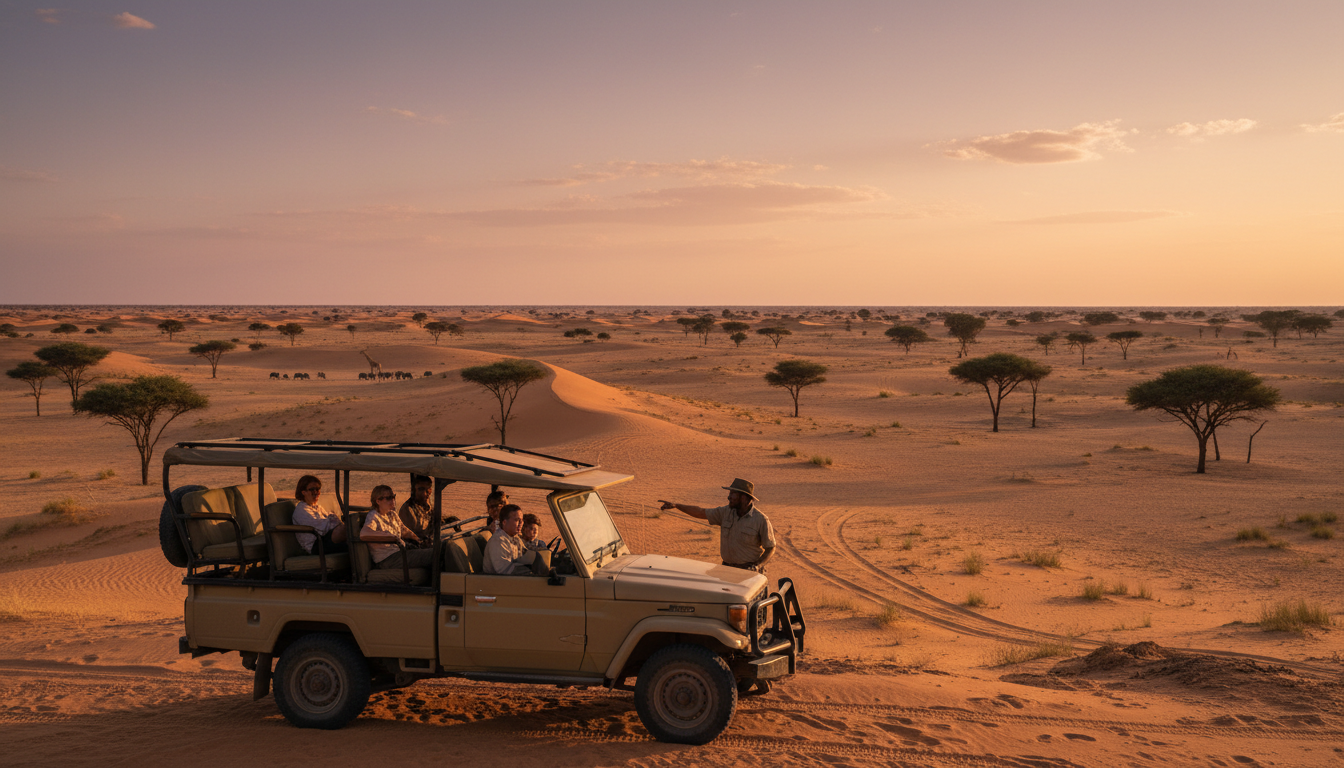
Despite its harsh conditions, the Empty Quarter supports a surprising array of life. Plants like the resilient ghaf tree and various grasses have adapted to the arid environment. Wildlife, including oryx, gazelles, and lizards, have also evolved to endure the extremes.
Preserving this unique ecosystem is vital. Efforts to conserve the flora and fauna involve understanding their adaptation mechanisms and protecting their natural habitats from human interference.
Conclusion
The Empty Quarter's extreme weather conditions demand respect and preparation. Whether you're an adventurer seeking the thrill of the desert or a researcher studying its unique environment, understanding the impact of weather and preparing appropriately is essential for safe and responsible exploration.