
The Legendary Calderan Line: A Historic Journey Through the Rub Al Khali


The Origins of the Calderan Line
The Calderan Line is a name that evokes images of mystery and adventure. Stretching across the vast expanse of the Rub Al Khali, also known as the Empty Quarter, this ancient trade route has been a focal point for explorers and historians alike. Its origins date back to an era when merchants and traders braved the harsh desert conditions to exchange goods and cultures.
The route was named after the legendary explorer, Ibn Calderan, who was said to have traversed the desert in the early 10th century. His journeys laid the groundwork for what would become one of the most important trade lines in the Middle East.
The Importance of the Rub Al Khali
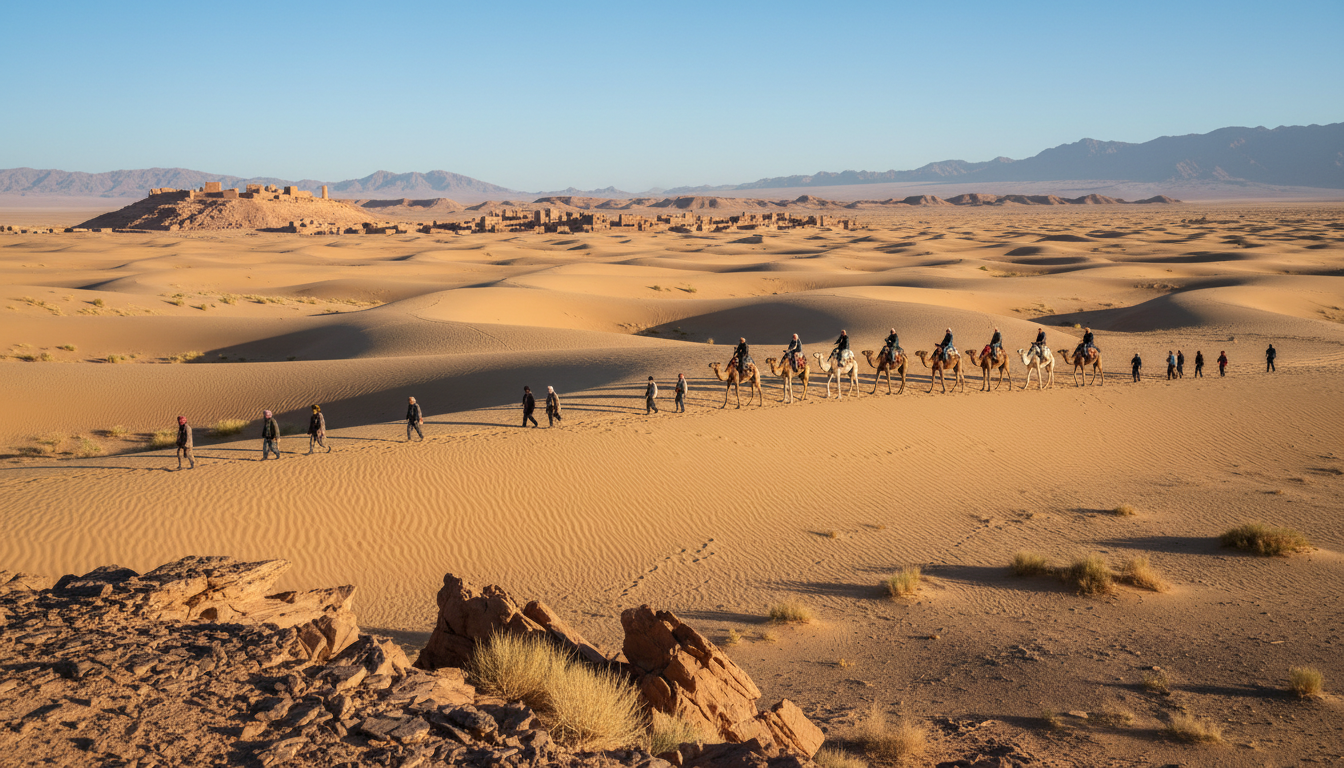
The Rub Al Khali, one of the largest sand deserts in the world, presented a formidable barrier to ancient traders. Spanning several countries, its shifting sands and extreme temperatures required ingenuity and resilience from those who dared to cross it. Despite these challenges, the Calderan Line thrived, connecting distant lands and facilitating the exchange of spices, textiles, and precious stones.
Travelers along this route would often form caravans, relying on camels to transport their goods. These caravans became lifelines, ensuring not only the survival of the merchants but also the continuation of cultural and economic exchanges.

The Cultural Impact of the Calderan Line
The Calderan Line was more than just a trade route; it was a conduit for cultural interaction. As traders moved from east to west, they brought with them stories, traditions, and innovations. This flow of ideas enriched the civilizations connected by the line, fostering a shared heritage that can still be seen today.
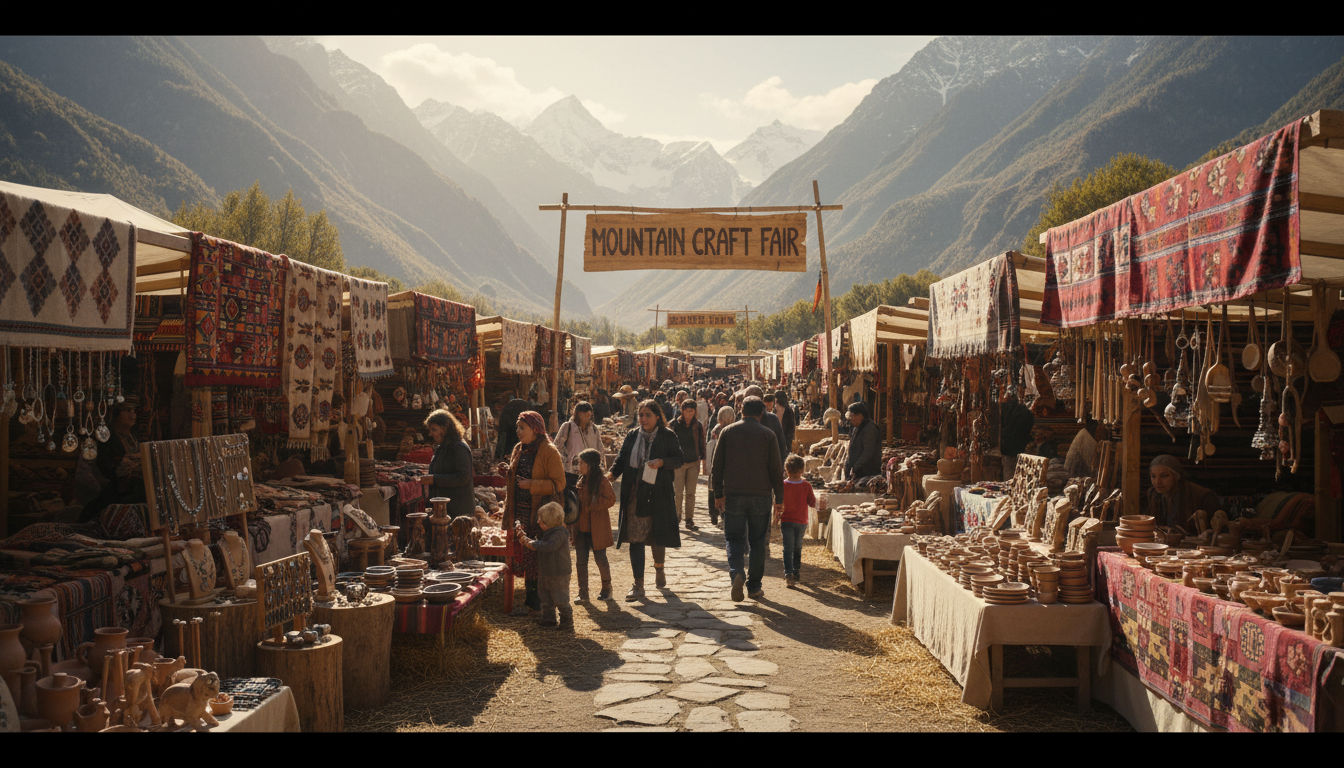
Along the route, oases served as hubs of activity where people from different backgrounds would meet, trade, and share knowledge. These interactions contributed to a rich tapestry of cultural diversity that defined the region.
The Legacy of Ibn Calderan
Ibn Calderan's legacy is immortalized not only in the trade route but also in the stories and folklore passed down through generations. His daring expeditions inspired countless others to explore the unknown, contributing to the age of exploration that followed.
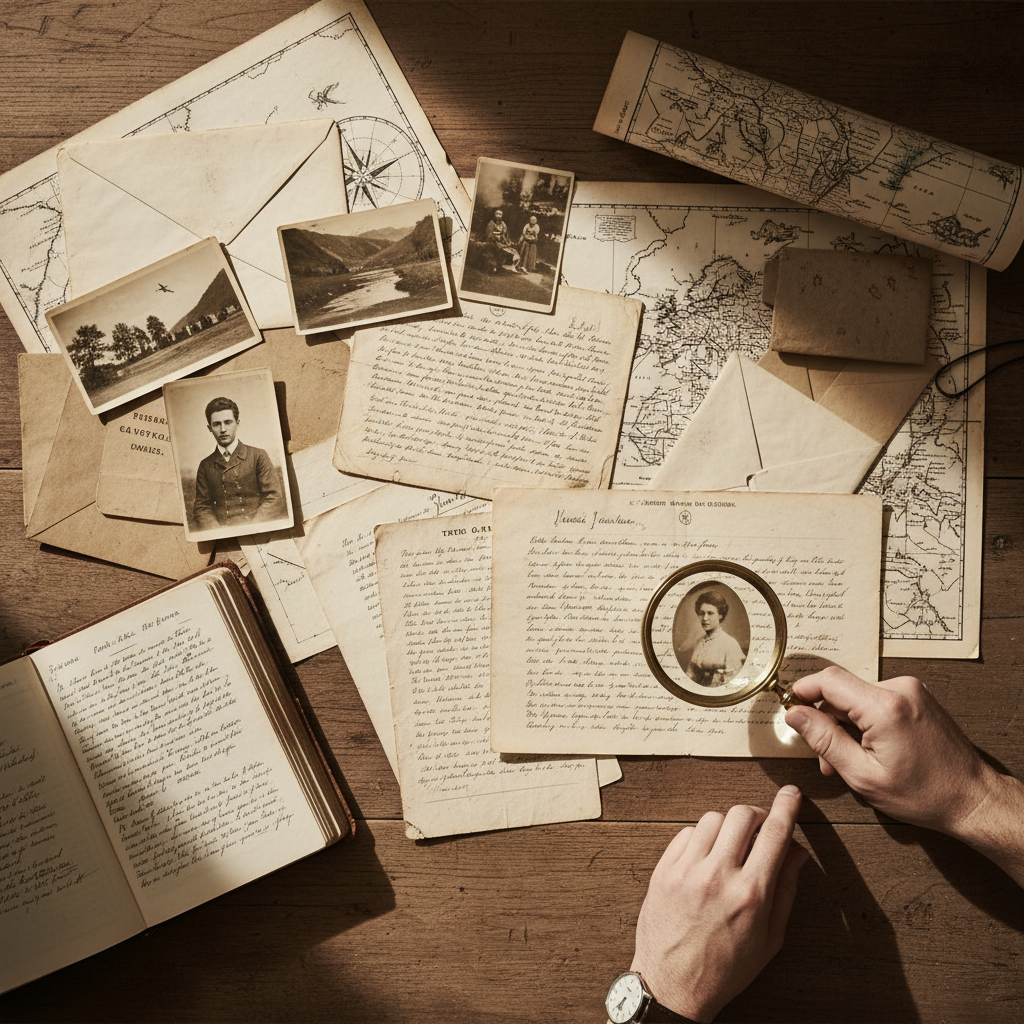
Today, historians and archaeologists continue to uncover artifacts and remnants of settlements along the Calderan Line, offering glimpses into the lives of those who once traversed its sands.
The Calderan Line Today
In the modern era, the Calderan Line remains a symbol of human perseverance and ingenuity. While much of the trade has shifted to modern transportation methods, the historical significance of the route continues to captivate the imagination.
Efforts are underway to preserve the legacy of the Calderan Line, with initiatives aimed at promoting its historical and cultural importance. These projects seek to educate future generations about the rich history of the region and its impact on the world.
Exploring the Calderan Line
For those interested in experiencing the Calderan Line, guided tours and expeditions offer a unique opportunity to walk in the footsteps of ancient traders. These excursions provide insights into the challenges and triumphs faced by those who dared to cross the Rub Al Khali.
Whether you're an adventurer, a historian, or simply someone curious about the past, the Calderan Line offers a fascinating glimpse into a world where commerce and culture converged amidst the endless sands.