
The Rub Al Khali: A Runner’s Guide to the World’s Largest Sand Desert


Introduction to the Rub Al Khali
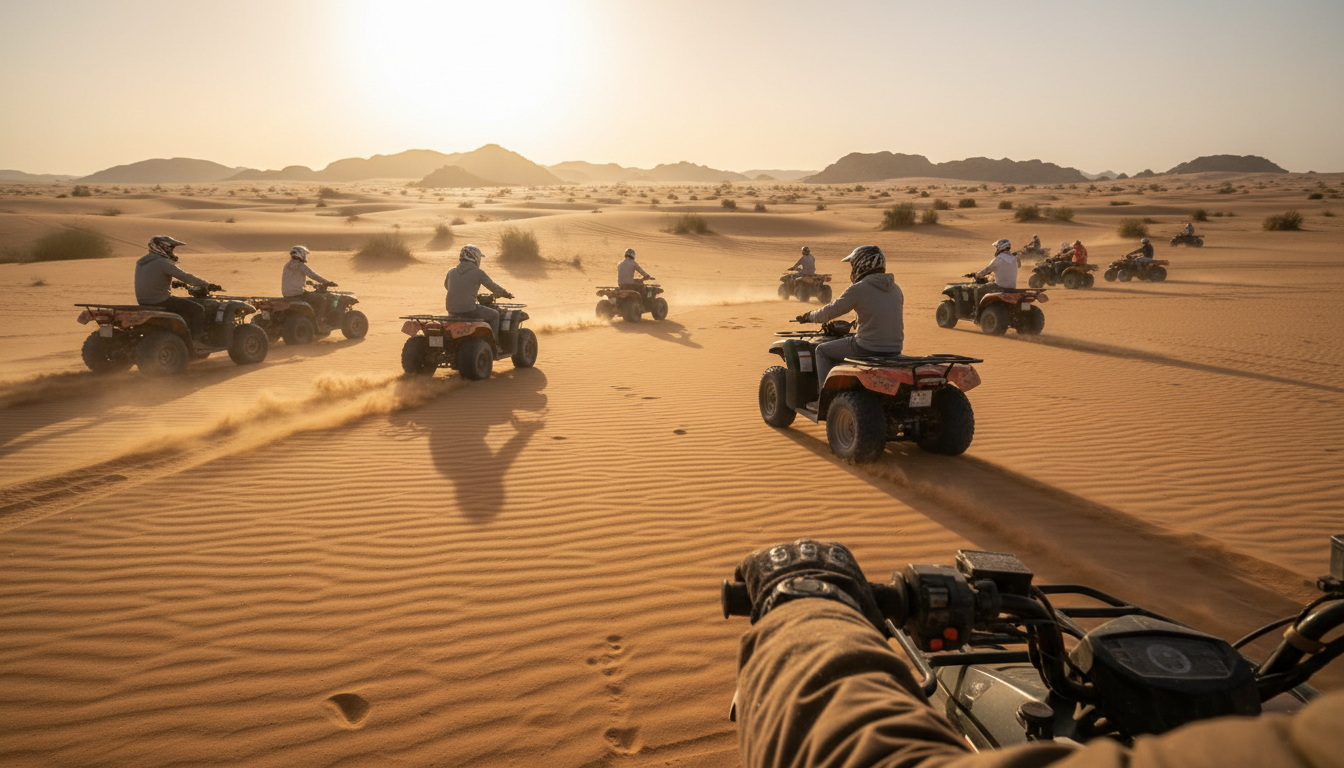
The Rub Al Khali, often referred to as the "Empty Quarter," is the largest sand desert in the world, spanning parts of Saudi Arabia, Oman, the UAE, and Yemen. For the adventurous runner, it offers a unique challenge unlike any other. This vast expanse of sand dunes and unending horizons promises both beauty and a test of endurance.
While running in the desert may seem daunting, the experience can be incredibly rewarding with the right preparation. Here’s a guide to help you navigate this extraordinary landscape and make the most of your desert running adventure.
Preparing for Your Run
Understanding the Terrain
The Rub Al Khali is famous for its towering sand dunes, some reaching up to 250 meters in height. These dunes are constantly changing due to the wind, creating a dynamic and challenging terrain for runners. Understanding the landscape can help you plan your route and avoid unnecessary detours.
Essential Gear
Running in the desert requires specific gear to ensure safety and comfort. Here are some essentials:
- Lightweight, breathable clothing: Protects against the sun while allowing sweat to evaporate.
- Sturdy trail shoes: Provides grip and stability on shifting sands.
- Hydration pack: Essential for staying hydrated in the arid climate.
- Sunscreen and sunglasses: Protects against harsh UV rays.

Planning Your Route
Choosing the Right Time
The best time to run in the Rub Al Khali is during the cooler months from November to February. Temperatures can soar above 50°C in the summer, making it dangerous for any outdoor activity. Early mornings and late afternoons are ideal times to avoid the midday heat.
Mapping Out Your Path
Given the vastness of the desert, it's crucial to have a clear plan. Using GPS devices and maps can help you track your location and ensure you don’t lose your way. Consider hiring a local guide if you're unfamiliar with the area, as their expertise can be invaluable.
Safety Considerations
Staying Hydrated
Dehydration is a significant risk when running in the desert. Carrying enough water and knowing the signs of heat exhaustion are critical. Regularly sipping water, even when not thirsty, can help maintain hydration levels.
Emergency Preparedness
Always inform someone of your plans and expected return time. Carry a basic first-aid kit, a fully charged phone, and a whistle for emergencies. Knowing how to signal for help can be lifesaving in remote areas.
Running in the Rub Al Khali is not just a physical challenge but an experience that connects you with one of the Earth's most magnificent landscapes. With the right preparation and respect for the environment, it can be an unforgettable adventure.