
The Rub Al Khali: Understanding the World's Largest Sand Desert


Introduction to the Rub Al Khali
The Rub Al Khali, also known as the "Empty Quarter," is the world's largest sand desert, spanning approximately 650,000 square kilometers across four countries: Saudi Arabia, Oman, the United Arab Emirates, and Yemen. This vast expanse of seemingly endless dunes is not only a geographical wonder but also a region steeped in mystery and intrigue.
Despite its barren appearance, the Rub Al Khali is a place of surprising diversity and adaptability. The desert's extreme conditions have shaped its landscape and the life that calls it home, creating a unique ecosystem that continues to fascinate scientists and explorers alike.
The Geographical Significance
The Rub Al Khali's geographical significance is immense. It forms part of the larger Arabian Desert and is characterized by its massive sand dunes, some of which reach heights of over 250 meters. The area's harsh climate, with temperatures soaring above 50 degrees Celsius, makes it one of the most inhospitable places on Earth.
However, beneath its sandy surface lies a treasure trove of natural resources. The region is rich in petroleum reserves, contributing significantly to the economies of the surrounding countries. This makes the Rub Al Khali not only a natural wonder but also an economic powerhouse.
The Unique Ecosystem
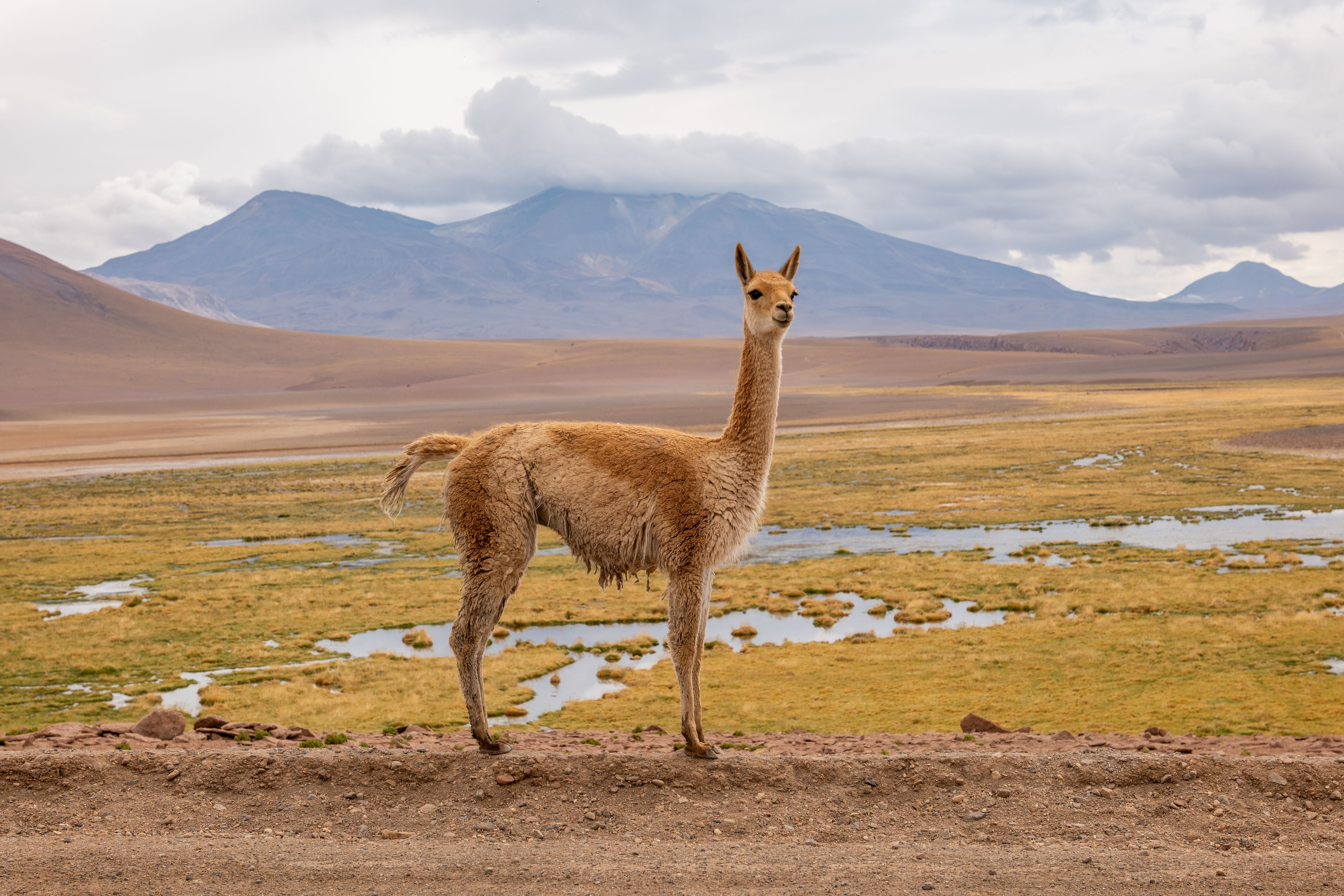
Despite the harsh conditions, the Rub Al Khali supports a surprisingly diverse range of life. Specialized plants and animals have adapted to the extreme environment, including the Arabian oryx, sand gazelles, and various reptiles. These species have evolved remarkable adaptations that allow them to survive with minimal water.
Moreover, the desert's flora, including hardy shrubs and grasses, play a crucial role in preventing soil erosion and providing sustenance for the local fauna. The adaptability of life in the Rub Al Khali serves as a testament to nature's resilience.
The Human Connection
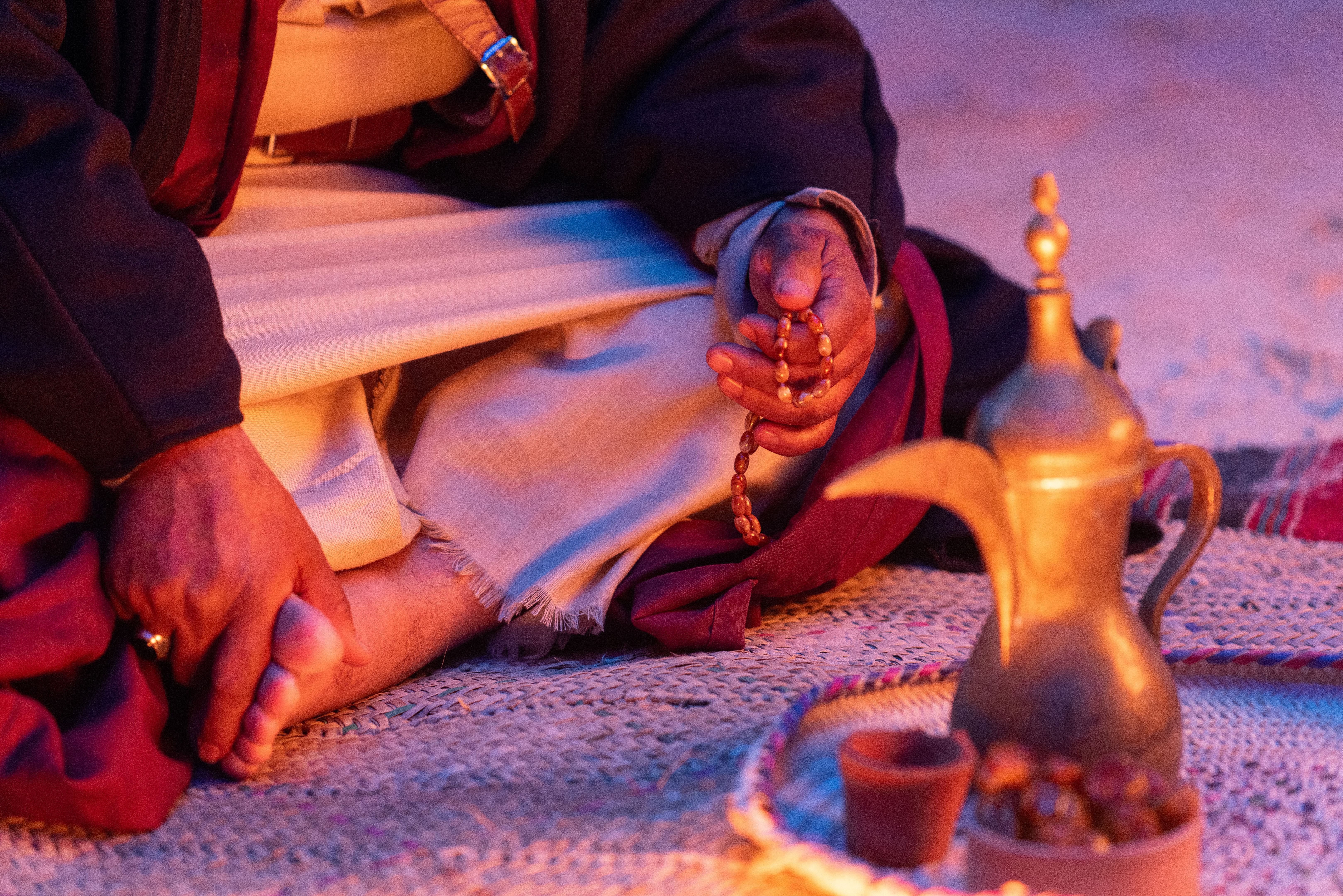
Humans have also found ways to adapt and thrive in the Rub Al Khali. Indigenous tribes, such as the Bedouins, have lived in harmony with the desert for centuries. Their deep knowledge of the landscape and traditional practices have enabled them to survive and navigate this challenging terrain.
Modern exploration and tourism have opened the Rub Al Khali to the world, attracting adventurers and researchers eager to uncover its secrets. This has led to a growing appreciation of the desert's cultural and historical significance, as well as its natural beauty.
Challenges and Conservation
While the Rub Al Khali is a place of wonder, it also faces significant challenges. Climate change and human activities pose threats to its delicate ecosystem. Efforts are being made to promote sustainable practices and conserve the unique biodiversity of the region.
Conservation initiatives focus on protecting endangered species and preserving traditional ways of life. By raising awareness and fostering collaboration among the surrounding nations, there is hope for a balanced coexistence between development and preservation.
Conclusion
The Rub Al Khali remains one of the most enigmatic deserts on the planet. Its vast dunes, rich history, and unique ecosystem continue to captivate the imagination of those who venture into its depths. By understanding and respecting this remarkable landscape, we can ensure that its mysteries endure for generations to come.