
The Unique Challenges of Racing in the World's Largest Sand Desert


Racing in the world's largest sand desert, known as the Rub' al Khali or the Empty Quarter, presents a unique set of challenges that few other environments can match. This vast expanse of sand stretches across parts of Saudi Arabia, Oman, the United Arab Emirates, and Yemen, offering a formidable landscape for those brave enough to take on its dunes.
Unpredictable Terrain
One of the most significant challenges is the unpredictable terrain. The desert's constantly shifting sands can make navigation extremely difficult. Unlike solid ground, the dunes can change shape and size with the wind, creating an ever-changing landscape that tests even the most experienced racers.
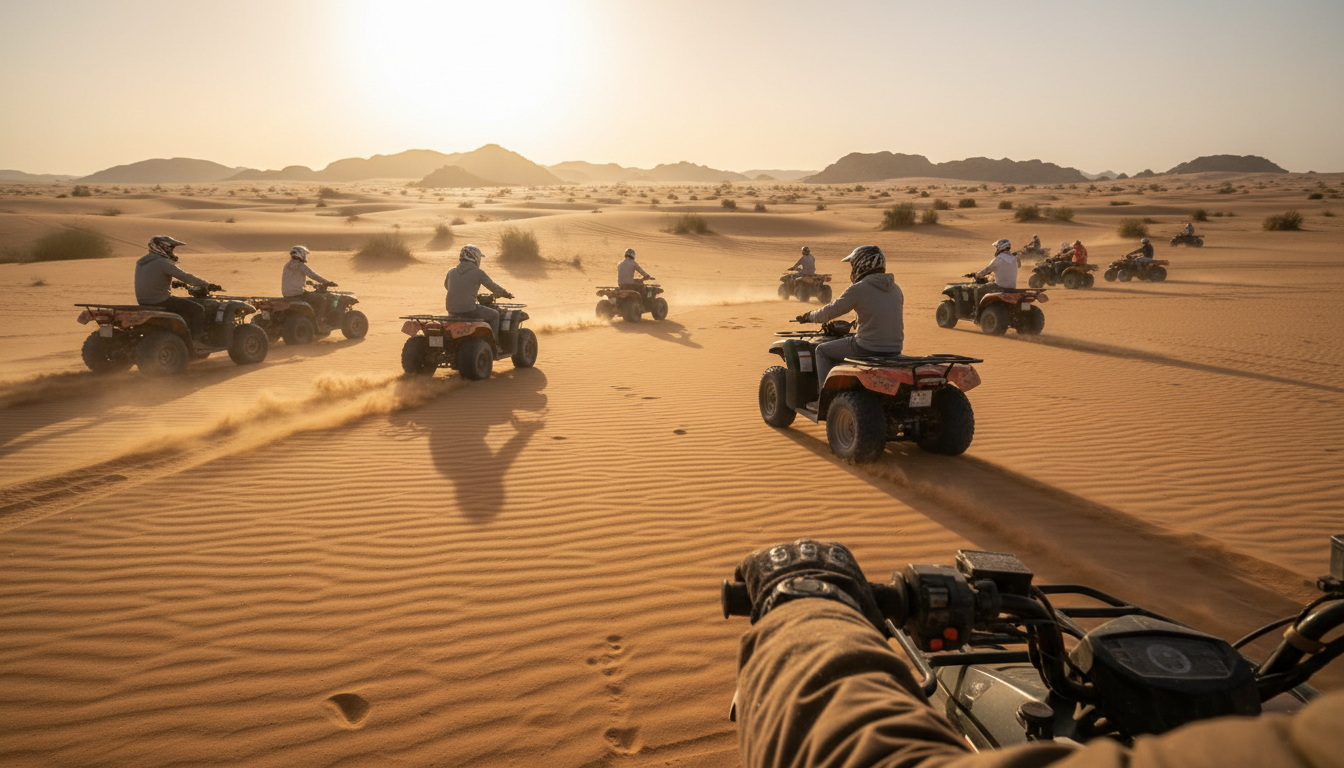
Racers must be prepared for sudden drops, steep climbs, and soft sand that can easily trap vehicles. This requires not only skill but also a deep understanding of the desert's behavior and the ability to adapt quickly to new conditions.
Harsh Environmental Conditions
The Empty Quarter is known for its harsh environmental conditions. Temperatures can soar above 50°C (122°F) during the day and plummet to near freezing at night. This extreme heat can be brutal on both competitors and their vehicles, leading to overheating and mechanical failures.
Dehydration is also a significant risk, requiring careful planning and management of water resources. Racers must ensure they are adequately hydrated and equipped to handle the desert's unforgiving climate.

Navigational Challenges
With few landmarks to guide the way, navigation in the Empty Quarter relies heavily on GPS technology. However, electronic devices can fail in the heat, and sandstorms can disrupt signals. Competitors must have backup plans and be skilled in traditional navigation methods, such as using a compass and maps.
Organizers often set checkpoints to guide racers, but reaching these points can be a challenge in itself. Each team must carefully calculate their route to avoid getting lost in the vast expanse of sand.

Vehicle Preparation and Maintenance
Preparing a vehicle for the rigors of desert racing requires meticulous attention to detail. Sand can infiltrate engines and moving parts, causing breakdowns. Racers must equip their vehicles with specialized tires and suspension systems designed for sand driving.
Regular maintenance checks are crucial, as the harsh conditions can quickly wear down even the most robust machines. Teams often carry spare parts and tools to perform on-the-spot repairs, ensuring they can keep moving forward.
The Human Element
Beyond the technical challenges, racing in the world's largest sand desert is a test of human endurance and mental fortitude. The isolation and monotony of the desert can weigh heavily on competitors, requiring strong mental resilience.
Teamwork is essential, as the ability to communicate and support one another can make the difference between success and failure. The camaraderie formed in such extreme conditions often leads to lifelong bonds among participants.