Training for a Desert Marathon: Tips from the Pros


Preparing Mentally for the Challenge
Training for a desert marathon requires more than just physical preparation; your mental fortitude is equally crucial. The harsh conditions demand that you stay focused and resilient. Visualization techniques can be incredibly beneficial. Picture yourself conquering the toughest parts of the race, and practice mindfulness to maintain calm under pressure.
Experienced marathoners also recommend setting realistic goals. Understand that the desert environment will affect your pace and stamina differently than typical road races. Adjust your expectations accordingly to avoid unnecessary stress.

Adapting to the Heat
Acclimating your body to the high temperatures is a fundamental part of training for a desert marathon. Start by incorporating heat training into your routine. Run during the hottest part of the day or use a sauna to simulate similar conditions. Remember to increase your exposure gradually to avoid heat exhaustion.
Hydration is another critical factor. Experts suggest drinking electrolyte-rich fluids to maintain balance. Avoid overhydrating with plain water, as it can lead to hyponatremia, a dangerous condition resulting from low sodium levels.

Choosing the Right Gear
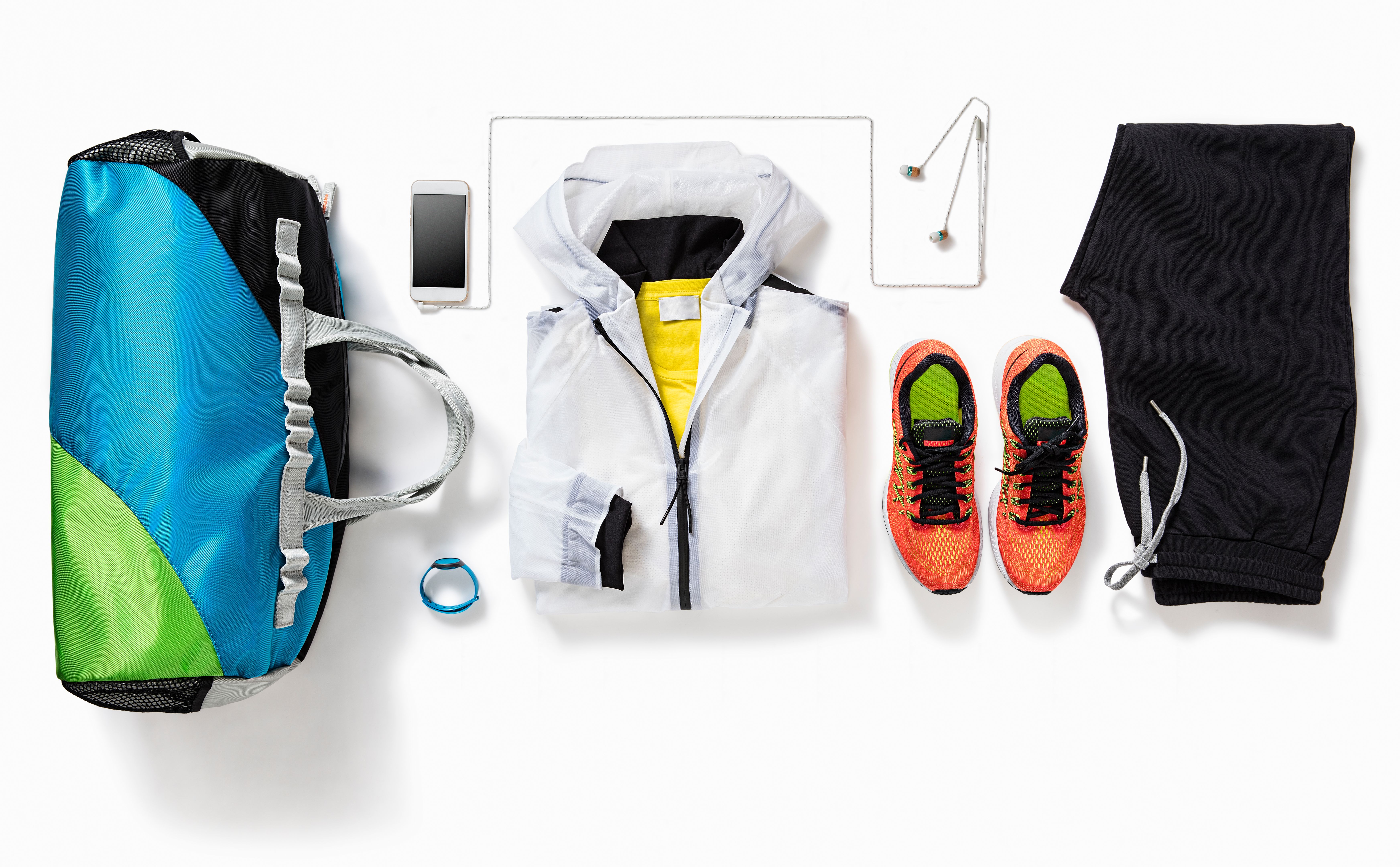
The right gear can significantly impact your performance and comfort. Opt for lightweight, moisture-wicking clothing that shields your skin from the sun. A wide-brimmed hat and sunglasses are essential to protect you from UV rays.
- Invest in high-quality trail running shoes with adequate grip.
- Consider gaiters to prevent sand from entering your shoes.
- Use sunscreen with a high SPF and reapply regularly.
Nutritional Strategies
Nutritional planning for a desert marathon is unique due to the energy demands and heat. Focus on a diet rich in carbohydrates for energy and proteins for recovery. During training, experiment with different energy gels and bars to find what works best for you.
On race day, start with a balanced breakfast and maintain energy levels by consuming small amounts of food at regular intervals. Avoid trying new foods or supplements during the race to prevent digestive issues.
Building Endurance and Strength
Building endurance is a gradual process, so start your training well in advance. Incorporate long runs that progressively increase in distance each week. Cross-training with activities like cycling or swimming can enhance your cardiovascular fitness without adding stress to your joints.

Strength training is equally important. Focus on exercises that build core strength and leg muscles, such as squats, lunges, and planks. A strong core will help maintain your running form, especially when fatigue sets in.
Final Race Preparations
As race day approaches, taper your training to allow your body to recover and build strength. Ensure you have all your gear ready and double-check your race plan. Familiarize yourself with the race route and conditions to avoid surprises.
Finally, get plenty of rest before the marathon and stay positive. Remember the hard work you've put in and trust in your preparation. With the right mindset and training, conquering a desert marathon is within your reach.